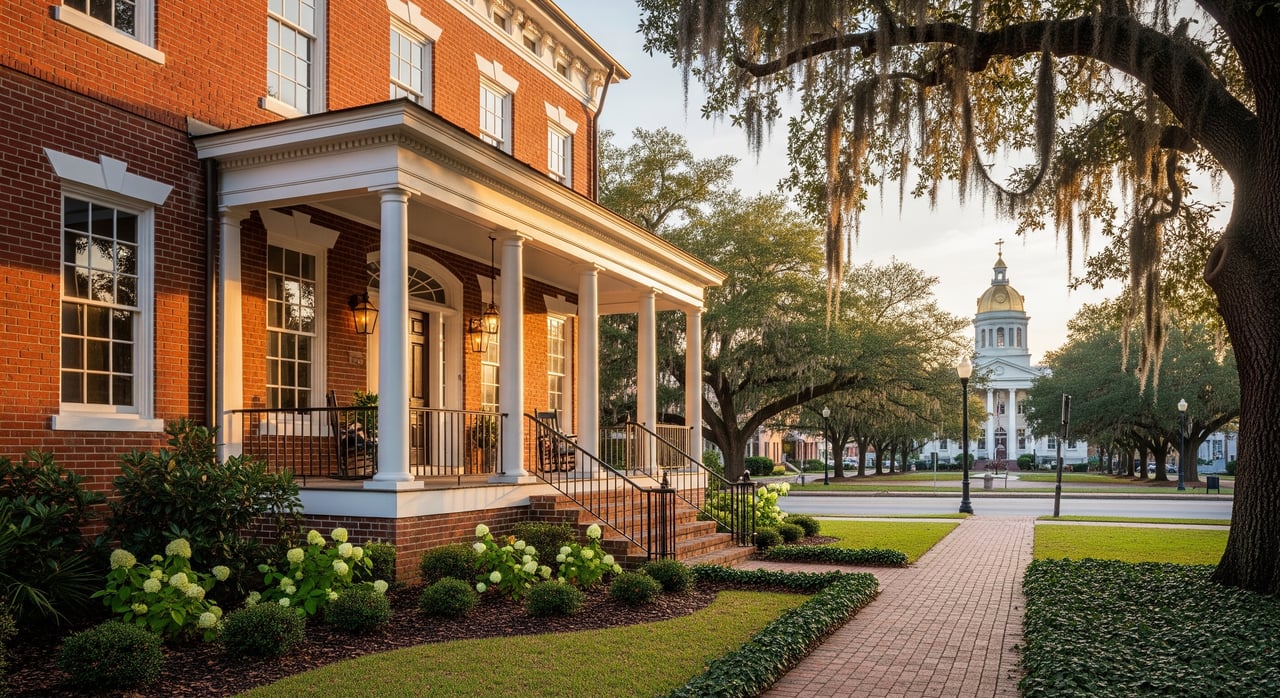
Thinking about trading longer drives for a shorter, simpler routine near the square? If you like the idea of walking to coffee, catching community events, and living in a home with character, the neighborhoods near downtown Dublin could fit your lifestyle. At the same time, you may wonder about housing options, daily conveniences, commute logistics, and what life really feels like on a day-to-day basis. In this guide, you’ll get a clear, practical look at in-town living so you can compare it to suburban or rural options and decide what works for you. Let’s dive in.
A day near the square
Picture this: you step out your front door and stroll a few blocks for a morning brew. You head home along well-traveled streets, pass a few local storefronts, and grab a quick lunch without starting the car. After work, you meet a friend for dinner, then walk home under streetlights while a small event wraps up nearby. On weekends, you might browse a farmers market or community gathering and still be home in time to enjoy your porch.
This is the rhythm many people look for when they choose a home near downtown. It is about convenience, connection, and a neighborhood feel where daily errands can be simpler.
What downtown looks and feels like
Downtown Dublin centers on a historic core with a compact grid of streets. You’ll see older commercial buildings, civic spaces, and nearby residential blocks with sidewalks that support daily walking. Street parking is common, and crossings are concentrated near the main business corridors.
Amenities you can typically find in or near the core include:
- Grocery and convenience options
- Pharmacy and basic medical or dental practices
- Coffee shops and casual restaurants
- Banks, post office, and local government offices
- Boutique retail and service businesses
- Library, churches, and community organizations
Evening activity varies by the day and season. Expect steady foot traffic during events and peak dining hours, with quieter stretches at other times. Lighting and sidewalk conditions can differ block by block, so it helps to walk your route at different times of day when you tour homes.
Daily conveniences within reach
One of the biggest benefits of living close to downtown is how quickly you can handle essentials. For many addresses near the core, everyday errands like a quick grocery run, a pharmacy pickup, or a coffee meeting are within a short walk. If you need a larger shop, you’ll likely make a short drive to a full-service retailer.
For families, nearby childcare and school drop-off routines can be easier when you’re close to main corridors. Parks, casual dining, and community events are often a few minutes away, which can make after-work plans spontaneous and low stress. If walkability is high on your list, map out your likely routes and time them during a tour so you can see how the routine would feel.
Housing near downtown
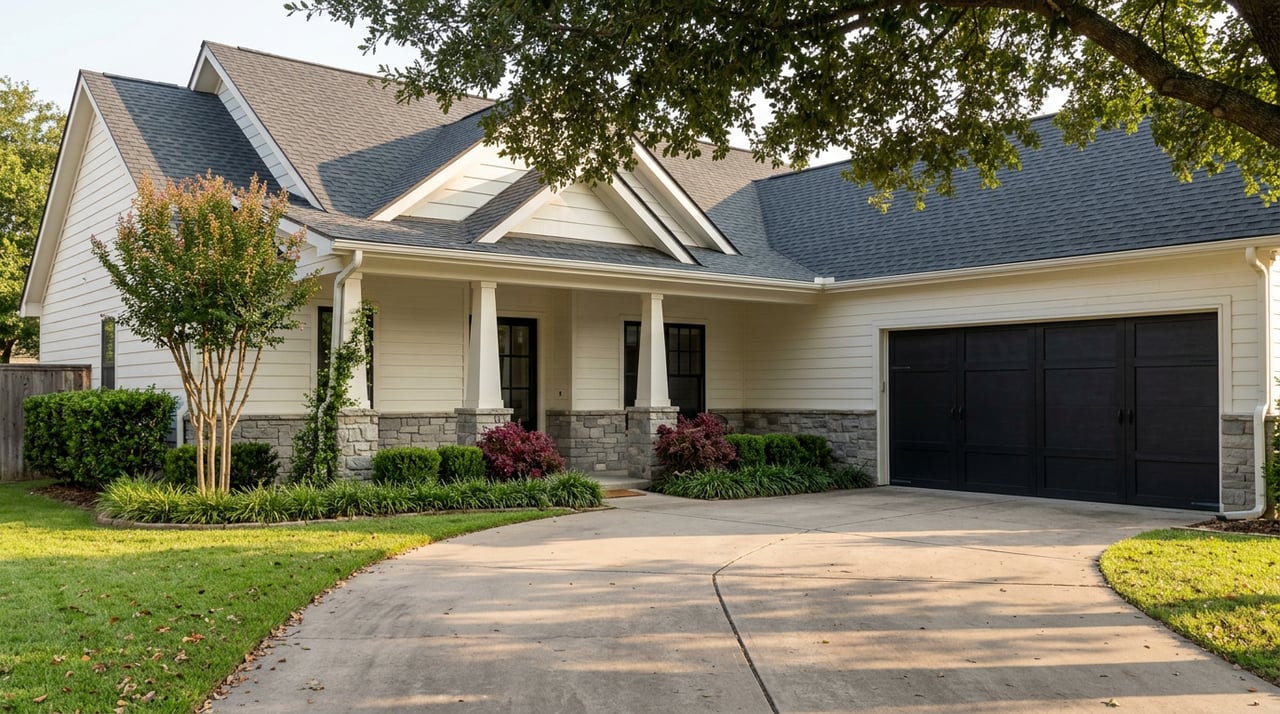
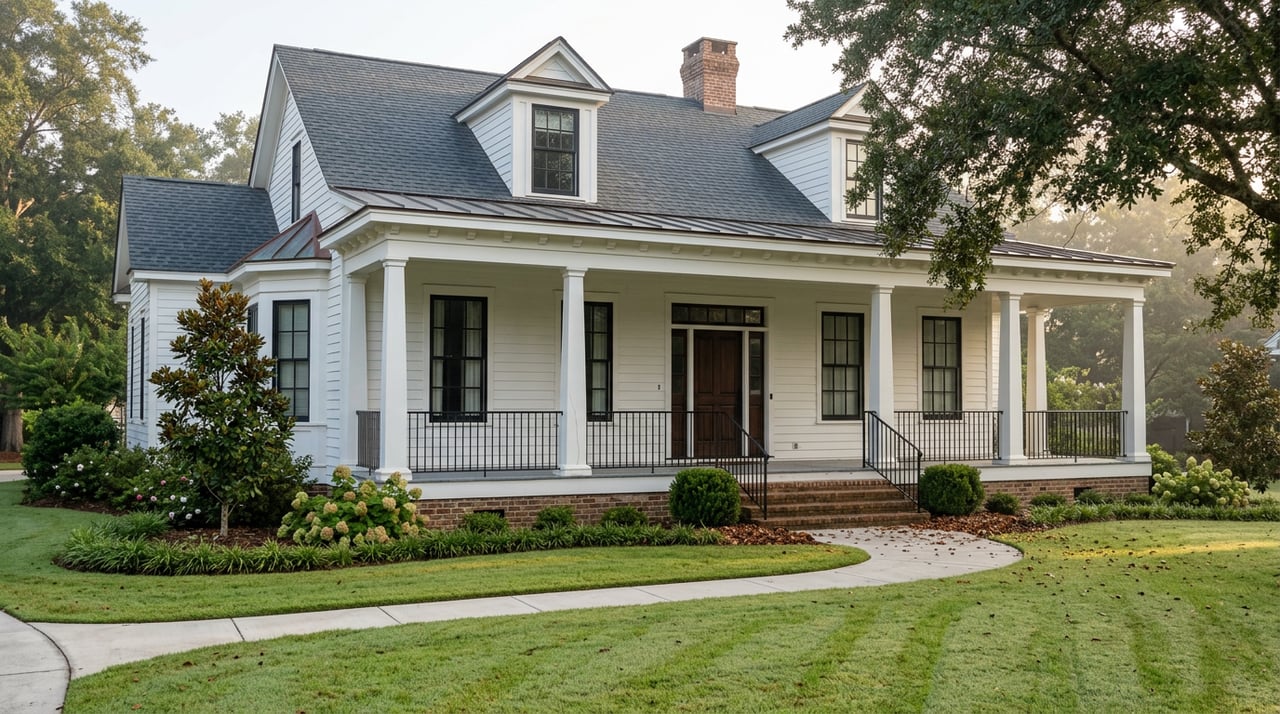
Near-downtown neighborhoods often feature a mix of home styles and ages. You’ll see historic single-family homes with architectural character, classic bungalows and Craftsman cottages, and some small apartments or loft-style residences near commercial buildings. In certain pockets, you might find infill townhomes or renovated units in older structures. Lots are usually smaller than in suburban areas, which can mean less yard maintenance.
Older homes can come with renovations or with projects you’ll want to plan for. Some streets show a mix of renovated properties and homes that may need updates. If a property sits within a historic area, there may be design guidelines for exterior changes. Before you write an offer, it’s smart to confirm any local standards with city planning and understand what they mean for your plans.
Buyer checklist for older homes
- Inspect roof, electrical, plumbing, and HVAC for age and capacity
- Confirm sewer vs septic and ask about recent service
- Review past permits, renovation history, and any design guidelines
- Check insulation and window condition for energy efficiency
- Verify parking setup and guest options for your block
- Ask about past stormwater or foundation concerns
Money and logistics
Prices near downtown can vary. You’ll often see a mix of more attainable starter homes alongside higher-priced, fully renovated historic properties. In many markets like Dublin, in-town homes may have a different price per square foot than suburban or rural options, reflecting walkability and historic character on the one hand, and larger lots or newer construction on the other.
Beyond the mortgage, budget for these items:
- Homeowners insurance. Older homes can sometimes carry higher premiums, depending on systems and updates.
- Utilities and efficiency. Vintage windows, insulation, and mechanicals can affect monthly costs. Updates can improve comfort and reliability.
- HOA or fees. Many in-town homes do not have an HOA. If you consider a townhome or condo-style option, ask about monthly dues and what they cover.
- Taxes. Property taxes vary by jurisdiction and assessed value. Plan to review current millage rates and recent changes as part of your due diligence.
Parking and guests
On-street parking is common near downtown. Some homes have driveways or small rear parking areas, while others rely on curb space. During community events, the area can see heavier parking demand. Ask sellers or neighbors how they manage guest parking on busy evenings and weekends.
Schools, safety, and commutes
Public schools near downtown are assigned by attendance zones. Because zones can change, verify the exact schools for a specific address and review state report cards and other public data to understand programs and offerings. If you’re considering childcare or after-school programs, map providers near your likely routes and check availability early.
Safety is personal and situational. Many buyers find it helpful to check recent police reports, community crime maps, and any published trend data. Walk the streets you would use at different hours. Look at lighting, crossings, and typical activity. Ask about event schedules so you understand when the area is busiest.
For commuting, most residents rely on cars for regional jobs or larger shopping trips. Living near the core can reduce time spent on daily errands, but plan your commute based on where you work and the routes you’ll use. Public transit in small cities is often limited, so factor that into your decision and consider transportation options that match your routine.
Downtown vs nearby options
When you compare living near downtown to nearby towns or more suburban and rural parts of Laurens County, think in terms of daily trade-offs. If you are also exploring East Dublin or outlying areas, here is a simple framework to help you weigh options.
| Factor | Near Downtown Dublin | East Dublin/Suburban/Rural |
|---|---|---|
| Walkability | Higher potential for walking to errands and dining, block dependent | More car-dependent for daily needs |
| Home styles | Historic homes, bungalows, lofts, some infill | Newer builds, larger lots, traditional subdivisions |
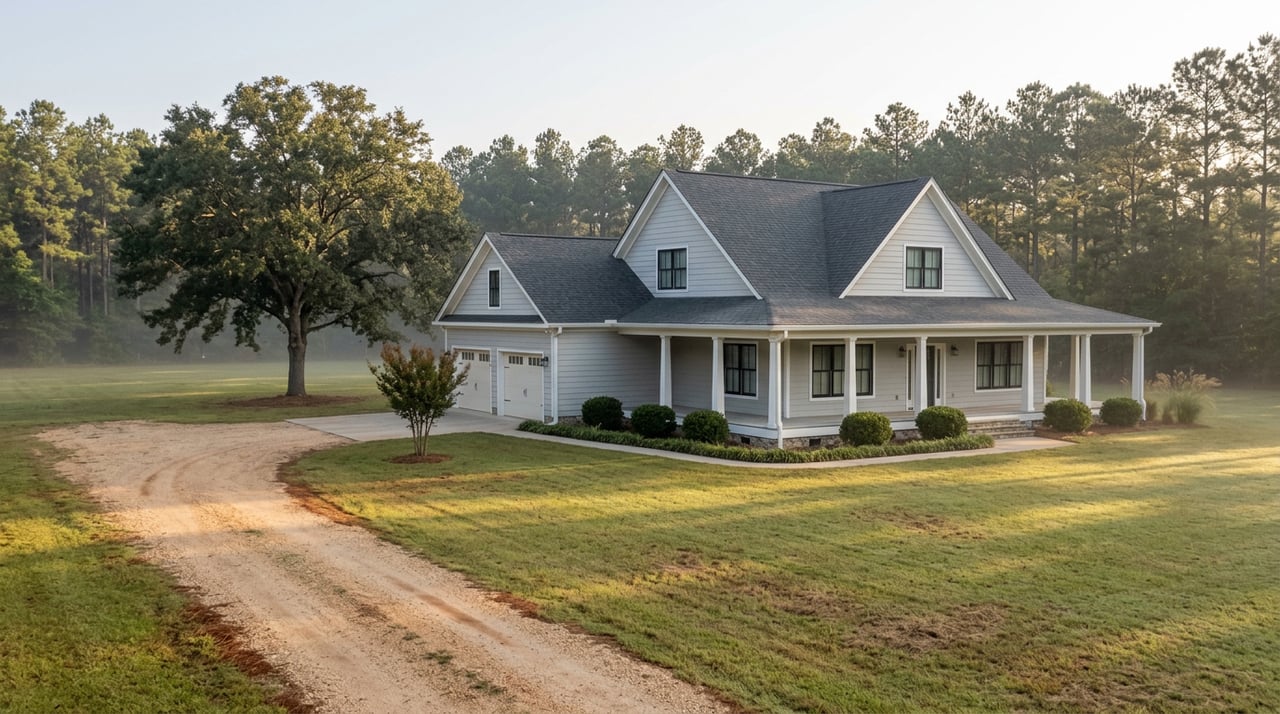
| Lot size | Smaller yards, lower maintenance | Larger yards, more space and privacy |
| Price dynamics | Mix of starter and renovated historic homes | Mix of newer builds and larger parcels |
| Noise & activity | Event traffic on evenings/weekends in core areas | Quieter day-to-day, fewer event impacts |
| Parking | On-street and small driveways, event variability | Driveways, garages, more predictable guest parking |
| Commute style | Shorter trips for local errands | Longer but straightforward drives for most errands |
Use this as a guide, then test-drive the places you care about most: morning coffee, school drop-off, grocery run, and your commute.
Is living near downtown right for you?
You’ll likely love near-downtown life if you value access to local businesses, a compact routine, and homes with character. You’ll appreciate smaller yards, easy trips to events, and the chance to be part of a close-knit community. You might prefer a suburban or rural home if you want newer construction, more land, or a quieter setting with fewer weekend crowds.
The best next step is to tour homes on a weekday and a weekend. Park where you would normally park, walk your routes, and time the errands that matter to you. That firsthand experience will make your decision clear.
Ready to see what’s available and plan your move with a local, boutique team that understands the nuances of in-town living? Connect with the neighborhood experts at Grand Real Estate to map your options and start strong.
FAQs
What daily amenities can I walk to near downtown Dublin?
- Many residents can walk to coffee, casual dining, a pharmacy, and small shops, though exact options and distance vary by block.
What types of homes are common near the downtown core?
- You’ll see historic single-family homes, bungalows and cottages, small apartments or loft-style units, and some infill townhomes.
How do prices near downtown compare to suburban areas?
- In many cases, near-downtown homes reflect walkability and historic character, while suburban areas offer larger lots and newer construction.
Is parking difficult if I live close to downtown events?
- Most homes rely on driveways or on-street parking; event days can be busier, so ask about guest parking patterns for your street.
What should I check when buying an older in-town home?
- Prioritize inspections of roof, electrical, plumbing, HVAC, insulation, windows, and confirm sewer vs septic and any local design guidelines.
How can I evaluate safety near a specific address?
- Review recent police reports and crime maps, walk the area at different times, and note lighting, crossings, and typical activity levels.