Thinking about selling your home in Wrightsville? In a small market like Johnson County, the right prep and pricing plan can make the difference between a slow sale and a smooth one. You want a clear, local checklist that helps you get ready, attract qualified buyers, and close with confidence in Georgia. This guide walks you through each step, from pre‑listing tasks to closing day, tailored to Wrightsville. Let’s dive in.
Know the Wrightsville market
Selling in Wrightsville is different from selling in a big metro. Fewer homes sell each month, and public price metrics can swing based on a small number of sales. You may see different websites report very different medians at the same time. That is normal in a thin market.
The best way to set price here is to use a local comparative market analysis that looks at the last 3 to 6 months of nearby sold comps, plus current active and pending listings in Johnson County. If there are not many recent sales in 31096, widen the search to nearby towns, then adjust for lot size, condition, and access to services. A local agent who works this area weekly will also know where current buyers are coming from.
Time your launch
If you can choose your timing, spring and early summer tend to bring more buyers to rural Georgia. National analysis has flagged early to mid April as a strong listing window in recent years. That said, list when your home is fully ready. A well‑prepared listing can perform well any time if it stands out on price and presentation.
Pre‑listing prep checklist
Start early. A focused 4 to 8 week plan gives you time to tackle safety items, freshen up, and get great photos.
Safety and function first
Fix the issues that could cause lender or inspection delays. Address roof leaks, plumbing leaks, HVAC failures, loose or unsafe stairs, and any obvious electrical hazards. These repairs prevent re‑inspections and keep the deal moving once you are under contract.
Clean, declutter, and curb appeal
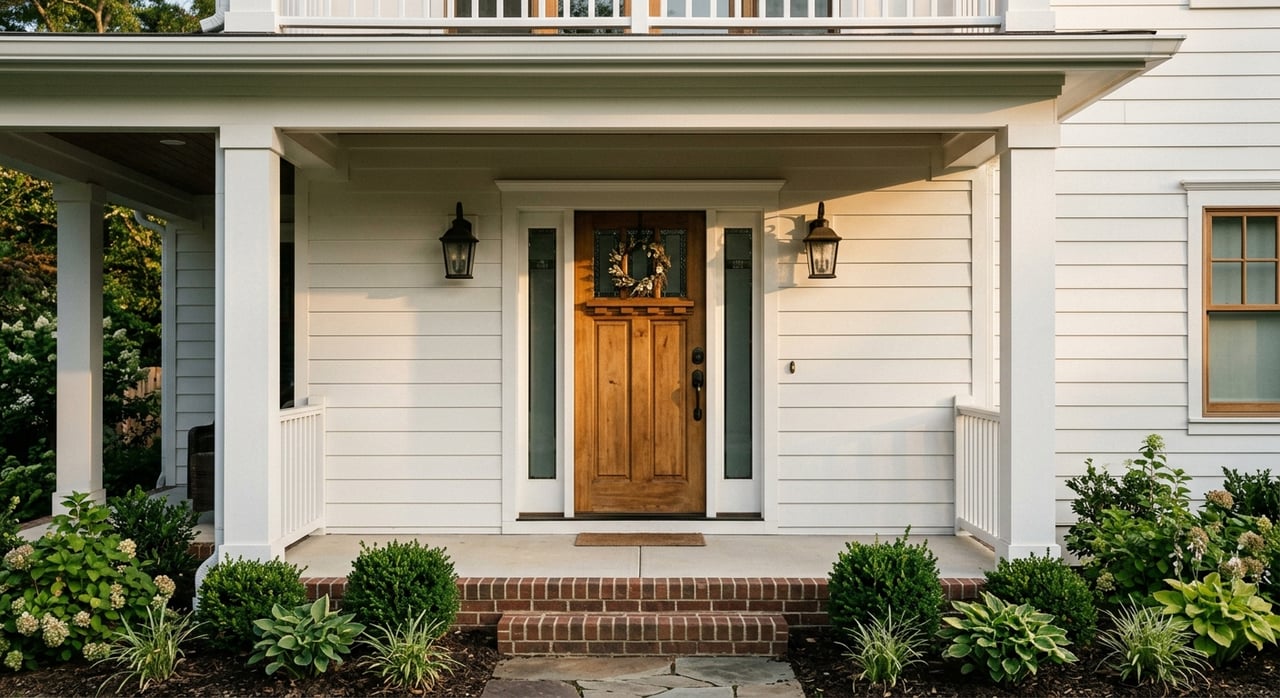
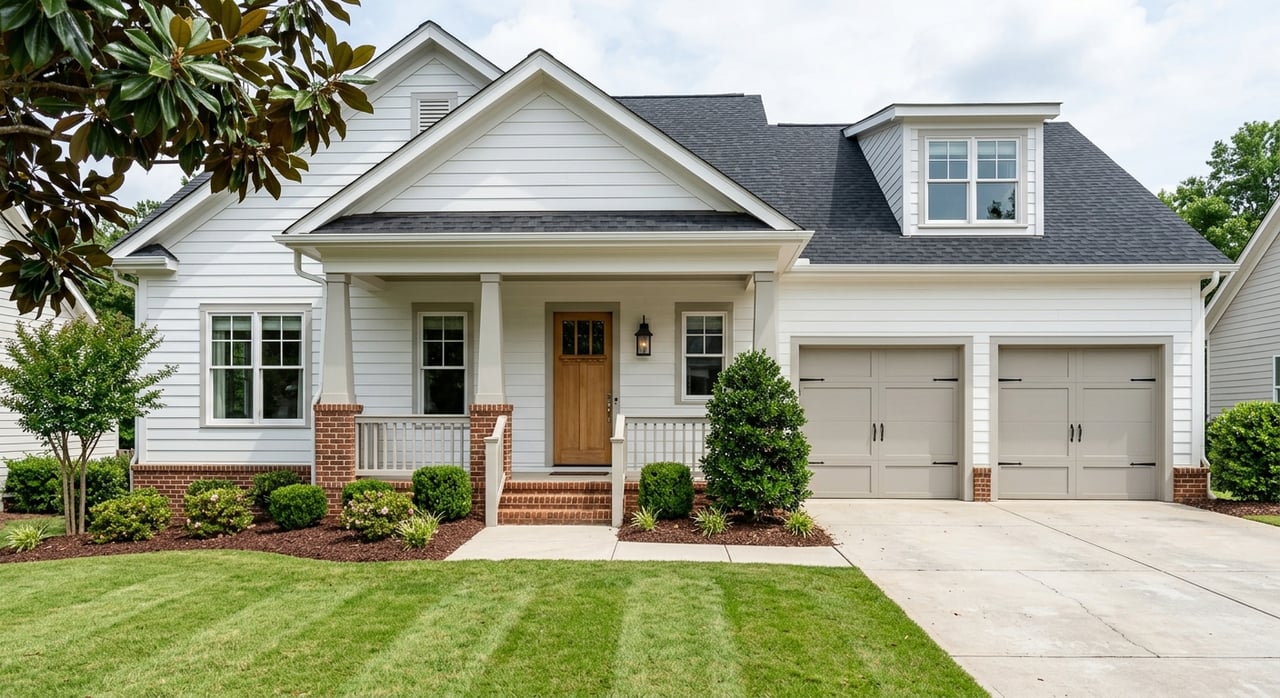
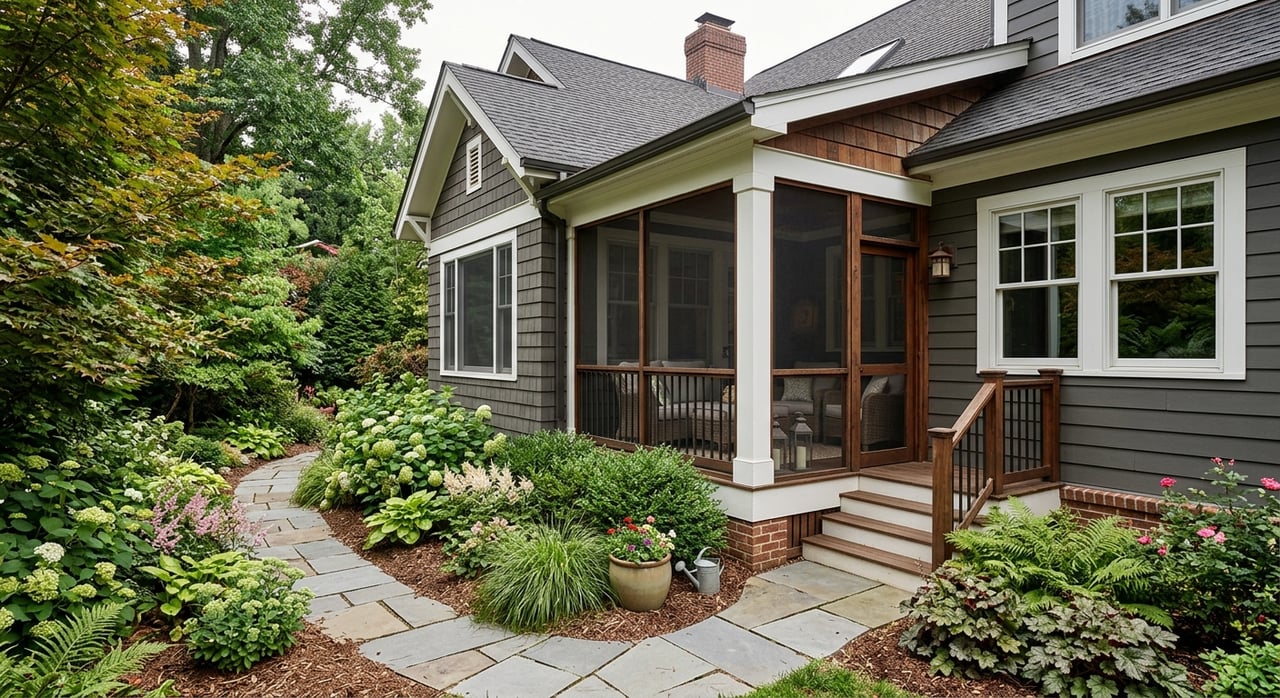
A deep clean and tidy rooms make your photos pop. Trim shrubs, pressure wash walkways, lay fresh mulch, and add a simple front‑door paint refresh. Industry research shows that staging and strong presentation can help homes sell faster and for more money. You can review tips and data on the National Association of REALTORS®’ resource for home staging and curb appeal.
Tackle quick cosmetic wins
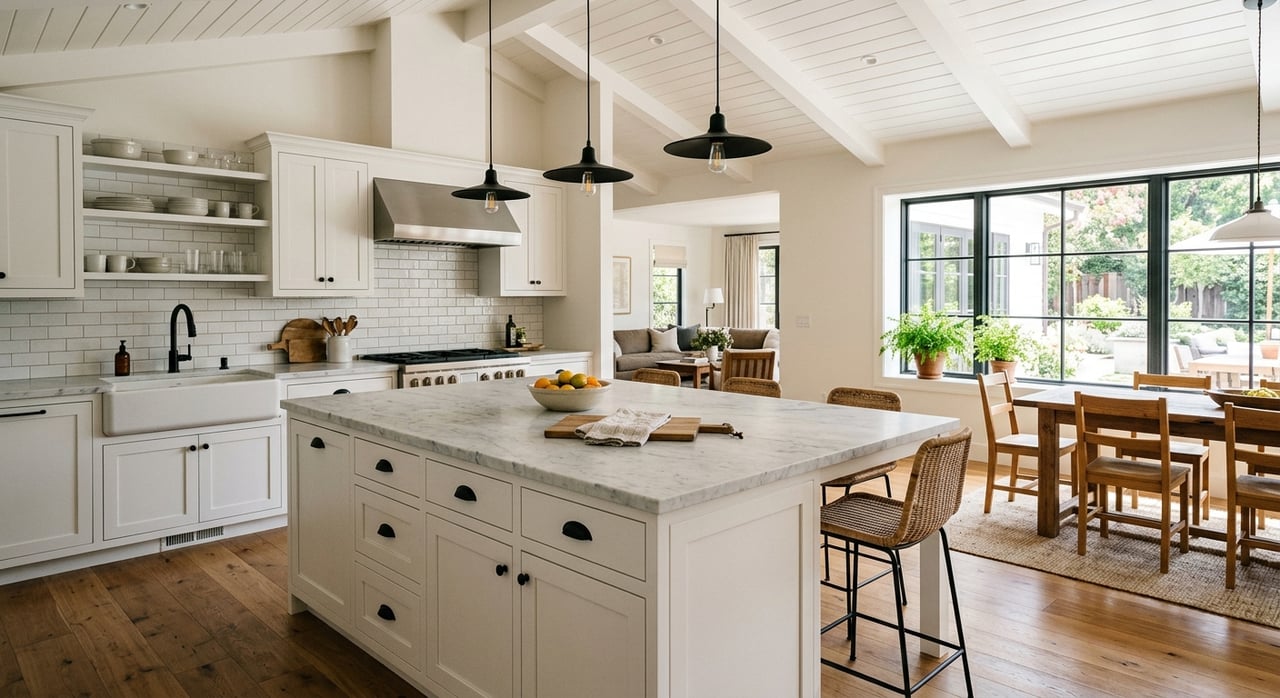
In small‑town price ranges, simple refreshes often give the best return. Consider neutral interior paint, updated light fixtures, fresh caulk and grout in baths, and basic hardware swaps. If you need extra help, many sellers hire contractors from nearby market centers like Dublin.
Invest in pro photography and tours
Most buyers find homes online first. Hire a professional photographer and, if it fits your property, add a floor plan or virtual tour. Listings with quality visuals get more clicks and showings, which can shorten time on market.
Georgia disclosures and inspections
Being upfront helps you avoid surprises later. Georgia sellers must disclose known material or latent defects. Most listings use standardized Georgia Association of REALTORS® (GAR) disclosure exhibits.
Seller property disclosures in Georgia
You are expected to disclose what you know about your home’s condition. Many agents use GAR’s Seller’s Property Disclosure forms in the purchase package. Georgia statutes address duties around property and conveyances. You can review Georgia property code resources here: Georgia Title 44 overview.
Lead‑based paint for pre‑1978 homes
If your home was built before 1978, federal law requires you to provide the EPA/HUD lead pamphlet and a signed lead‑warning disclosure. Buyers must be allowed an inspection period unless they waive it. Learn more from the EPA’s guidance on lead‑based paint disclosures for home sales.
Termite and wood‑destroying insect letters
In Georgia, lenders and buyers often request a current wood‑infestation report, commonly called a termite or WDI letter, during underwriting. Expect this to be part of due diligence. Keep any treatment and repair records handy. For background, see Georgia public resources on pest inspection practices, such as this state publication archive.
Septic systems and private wells
Many Wrightsville properties rely on septic and sometimes private wells. Georgia does not have a universal time‑of‑transfer septic inspection law, but certain loan programs and local health departments may require inspections or certifications. It is smart to confirm requirements with the buyer’s lender and the Johnson County Health/Environmental office early. Sellers often provide maintenance records and may authorize septic or well inspections during the contingency period. You can review a Georgia public guidance document on private systems here.
Gather documents before you list
Create one file for your listing agent and the closing attorney. Pull together:
- Most recent deed and legal description, plus any recorded easements or covenants
- Latest property tax bill and the parcel/assessment card from the Johnson County Tax Assessor. You can access records through the Johnson County QPublic portal
- Mortgage payoff statement and your current loan account details
- Survey or plat, and any boundary or flood elevation surveys
- Permits and receipts for past additions and repairs
- Appliance warranties, service records, prior inspection or treatment reports
- HOA or community association documents, if applicable
Also keep handy local contact points you may need during the process, like the Johnson County official site and the City of Wrightsville utilities portal for water and sewer billing.
Pricing, marketing, and showings
Price with a local CMA
Because public website medians vary widely in Wrightsville, rely on a data‑driven CMA built from the most recent sold, active, and pending listings in Johnson County. In a thin market, overpricing usually leads to more days on market. Pricing at a supportable market value gives you the best shot at strong early interest.
Use the channels that work here
Make sure your listing is in the local MLS so it syndicates to major home‑search sites and regional broker networks. Pair that with:
- Professional photos, a clear description, and a concise feature list that highlights bed and bath count, lot size, utilities, and whether the property has septic or a private well
- A floor plan or virtual tour to reach out‑of‑area buyers
- Local reach: a yard sign, Main Street or courthouse bulletin boards, community Facebook groups, and the local paper
- A broker open to invite area agents, plus targeted social ads aimed at nearby counties where buyers often originate
Showing tips for rural properties
Help buyers picture daily life. Label utility shut‑offs clearly, list internet providers, and note any recent upgrades. If your property includes outbuildings or acreage, provide a simple map or marked survey and explain access points.
From offers to closing in Georgia
Common contingencies
Most offers include inspection, financing, appraisal, and title contingencies. The GAR purchase forms and exhibits spell out timelines and how repairs are handled. If you obtain a pre‑listing inspection, you may reduce back‑and‑forth after you go under contract. You can review GAR’s downloads page here: GAR Forms resource.
Earnest money basics
In small markets, earnest money can be a flat amount or a percentage. You may see deposits from about $500 to several thousand dollars, or often 1 to 3 percent of the price, depending on the buyer and whether the offer is cash or financed. Your agent can advise what is customary for your price point.
Work with a closing attorney
In Georgia, a closing attorney typically manages settlement, title work, and recording. Expect the attorney to coordinate title search, lien payoffs, and signing. Learn more in this overview of Georgia closing practices.
What sellers usually pay in Georgia
- Real estate commission. Total commission is commonly in the 5 to 6 percent range in Georgia, split between listing and buyer brokers, but all fees are negotiable.
- Georgia real property transfer tax. By statute and custom, the seller often pays this recording tax, typically $1 per $1,000 of sale price. The closing attorney will calculate it on your settlement statement. You can review a calculator that outlines the basic formula for Georgia transfer tax.
- Prorated property taxes through the day of closing, plus payoff of any mortgages or liens.
- Title insurance or owner’s title policy if required by contract or local custom, plus attorney and recording fees.
As a planning estimate, sellers in Georgia may see non‑commission closing costs around 1 to 3 percent of the sale price, but actual figures vary by county, title insurance, and attorney fees. Ask your closing attorney for a preliminary seller net sheet early in the process.
A realistic timeline
- Weeks 1 to 2: Declutter, deep clean, and fix safety or function issues.
- Weeks 2 to 4: Paint touch‑ups, minor cosmetic updates, landscaping, and scheduling for photos and media.
- Week 4 or 5: Final prep and media day. Confirm your MLS listing details and marketing plan with your agent.
- First 2 weeks on market: Watch showing traffic and feedback closely. If activity is weak, discuss a price or marketing adjustment at the 2 to 4 week mark.
- Under contract: Most financed deals close in 30 to 45 days in Georgia. Cash can be quicker. Your closing attorney will drive the title search, payoff demands, and recording. Be ready for inspections, a termite letter request, and, if applicable, septic or well checks.
Your Wrightsville seller checklist
Use this step‑by‑step list as your guide:
- Prepare your home
- Fix roof, plumbing, HVAC, and electrical safety issues
- Declutter and deep clean
- Refresh paint, caulk, and hardware where needed
- Improve curb appeal with mulch, trim, and small exterior touch‑ups
- Line up your team
- Choose a local listing agent with Johnson County experience
- Book a professional photographer and, if useful, a floor plan or virtual tour
- Ask your agent for inspectors and contractors for any pre‑listing repairs
- Consider a pre‑listing home inspection to reduce surprises
- Handle disclosures and records
- Complete Georgia seller disclosure forms honestly
- If pre‑1978, include the required lead paint pamphlet and disclosure
- Expect a termite/WDI inspection request and gather any treatment records
- If on septic or a well, collect maintenance records and discuss likely lender or local health requirements
- Gather documents
- Deed, legal description, and any easements or covenants
- Latest tax bill and parcel card from QPublic
- Mortgage payoff statement and loan account details
- Survey or plat, permits, and repair receipts
- HOA documents if applicable
- Go live and monitor
- Launch on MLS with high‑quality media and a clear feature list
- Use local channels like signs, bulletin boards, and community groups
- Track showings and feedback during the first 14 days and adjust as needed
- Under contract to close
- Coordinate buyer inspections, termite letter, and any septic or well checks
- Work with the closing attorney on title, payoffs, and the settlement statement
- Confirm who pays the Georgia transfer tax and other closing costs
Ready to sell with a clear plan and a marketing team that knows Wrightsville and nearby buyer pools? Get local pricing guidance, pro media, and a step‑by‑step strategy with Grand Real Estate.
FAQs
What should I know about pricing a Wrightsville home?
- In a thin market, public price medians vary. Use a local CMA based on recent sold, active, and pending comps in Johnson County and adjust for condition and lot.
Do I need a termite letter to sell in Georgia?
- Buyers and lenders commonly request a current wood‑infestation report during underwriting, so expect a WDI inspection and keep any treatment records handy.
If my home has a septic or private well, what will buyers ask for?
- There is no universal state transfer inspection law, but certain loans and local health rules may require checks; provide maintenance records and expect possible inspections during due diligence.
When is the best time to list in Wrightsville?
- Spring and early summer often bring more buyers, and recent national reports point to early to mid April as a strong window, but list when your home is fully ready.
Who pays Georgia’s transfer tax at closing?
- By custom it is usually the seller unless the contract assigns it differently, and the closing attorney will calculate it on your settlement statement.
How long does a Georgia home sale take once under contract?
- Most financed transactions close in about 30 to 45 days, with cash deals often moving faster, depending on title work and inspections.