Dreaming of your own slice of rural Georgia where you can build a home, set up a hobby farm, or enjoy weekend hunting? Buying land around Rentz can be a smart move, but the process feels different from buying a house in town. You want to avoid surprises, understand permits and utilities, and budget for the right financing.
This guide walks you through what to expect in Rentz and greater Laurens County, from E‑911 addressing and septic approvals to flood maps and land loans. You will come away with a clear plan and the right questions to ask before you write an offer. Let’s dive in.
Why buy land near Rentz
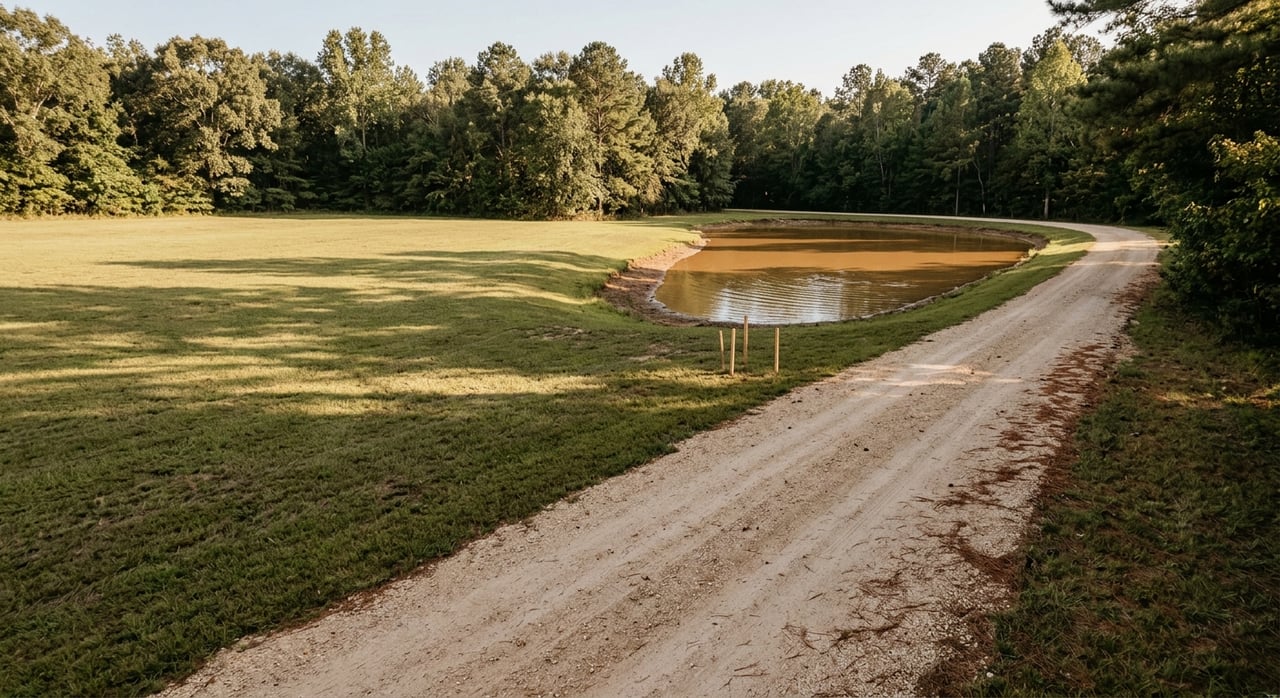
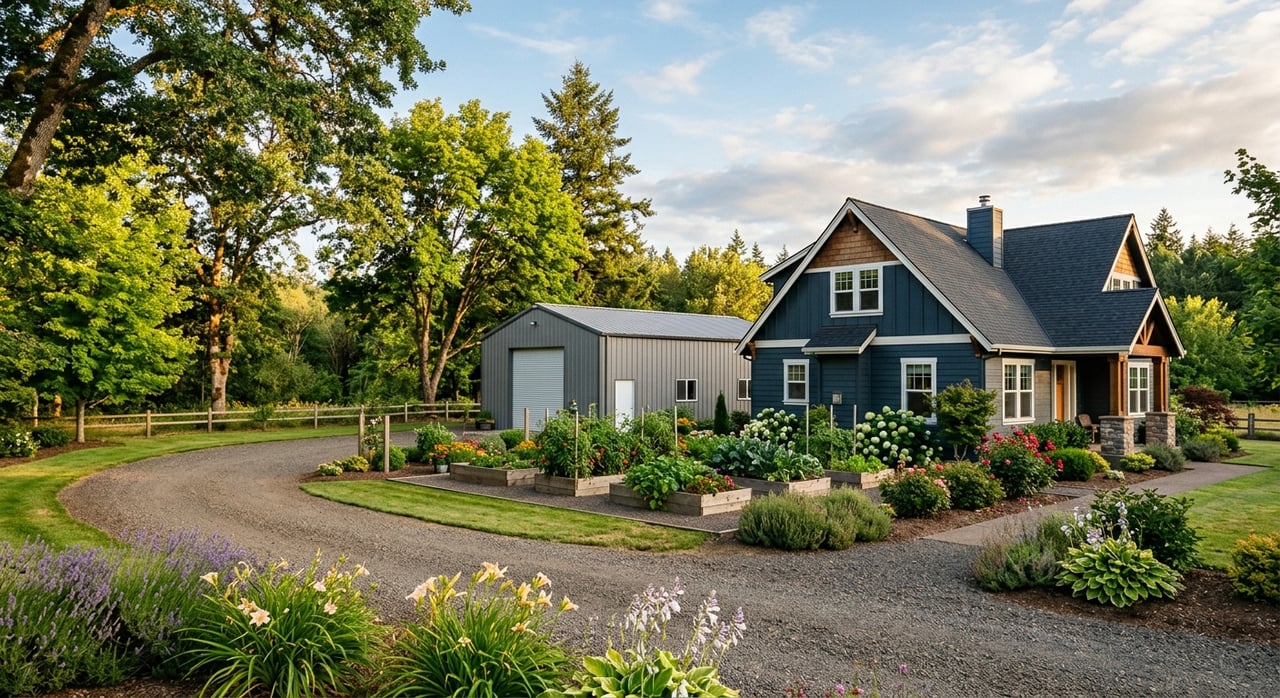
Rentz sits in southwestern Laurens County, and the incorporated town itself is small. Most acreage buyers will look in the surrounding unincorporated county where rural parcels are common. You will see a mix of small home sites, recreational and hunting tracts, timberland, pasture or agricultural acreage, and larger timber investment properties.
For many buyers, this area offers privacy and flexibility. You can often plan for a private well and septic, confirm electrical service with the local EMC, and design a build or land use that fits your goals. The key is to verify feasibility on your specific parcel early.
Start with permits and feasibility
Get your E‑911 address first
In Laurens County, the addressing step comes before most permits. If you plan to build or need power, start by confirming or obtaining an E‑911 address through the county. The county then directs you to Environmental Health for septic, followed by the building and inspection office for your permit sequence. The county also lists example fees and contacts on its Building Permits page.
Common examples shown on the county site include a mobile or modular home permit at $100, septic application fees around $175 for new or repair permits and about $150 for relocations, and a building permit often calculated at about $0.25 per heated square foot with a minimum. Fees and processes can change, so confirm the latest details with the county before you apply.
Confirm septic feasibility early
Septic approval is not automatic. Laurens County Environmental Health performs a site evaluation and issues septic permits. Suitability depends on on‑site soils, topography, and setbacks. Protect yourself by making any offer contingent on a successful site evaluation or permit. If a seller already has a recent septic permit on file, request a copy and confirm it matches your intended home location and bedroom count.
Plan for a private well
Most rural parcels rely on private wells. In Georgia, wells must be drilled by a licensed contractor, and the driller generally files a Notice of Intent with the county health department before drilling. State rules govern minimum distances from septic systems and other features, so speak with a licensed local driller about typical depths and yields in the Rentz area. For state-level guidance on well practice and documentation, review the Georgia Environmental Protection Division’s well notice information.
If a property already has a well, ask for the well log and any water quality test results. If no records exist, budget for testing and verification.
Electricity, fiber, and other utilities
Electric service in rural Laurens County is commonly provided by local electric membership co‑ops. Ocmulgee EMC and Little Ocmulgee EMC serve parts of the area. Not every parcel has a nearby line or transformer, so request a serviceability check and a written estimate for any meter or line extension. You can start by reviewing the Ocmulgee EMC provider profile on Find Energy, then contact the co‑op directly.
Broadband coverage varies by road and by parcel. Some EMCs are expanding fiber, and fixed wireless may be available in pockets. Ask the seller and the local EMC about current options and installation timelines.
Check floodplains, soils, and wetlands
Good mapping saves time. Before you fall in love with a tract, run the address through FEMA’s Flood Map Service Center. If the map shows a Special Flood Hazard Area, speak with your insurance agent and builder about what that means for your design, costs, and any lender requirements. Use the FEMA Flood Map Service Center for the official layer.
Next, review soils with the USDA NRCS Web Soil Survey. The mapping tool helps you understand drainage, hydric soils, erosion risk, and general septic suitability. This is an early screening tool and does not replace a county site evaluation or perc test. Start your map review with the USDA NRCS Web Soil Survey.
If wetlands are suspected, expect that a professional delineation may be needed. Mapped wetlands can limit where you build and may require state or federal permits for certain activities.
Zoning and land use basics
Parcels in unincorporated Laurens County historically have more flexibility than suburban jurisdictions. The county administers subdivision rules, building permits, and environmental health, while municipalities inside the county maintain their own land use rules. Always confirm whether a parcel lies inside a city or town limit or in the unincorporated county. Planning tools and approaches evolve over time in the region, so verify current practices directly with county staff. Regional documents reflect ongoing planning discussions, such as growth management and development tools, which you can see referenced in this planning narrative.
If you plan to split acreage or build multiple homes, speak with the county early about subdivision rules, minimum lot sizes, plats, and recording steps. The county’s Building Permits office can point you to the current procedures and contacts.
Budgeting and financing for land
Financing land works differently than financing a house. Lenders place parcels into categories like raw, unimproved, or improved. The more ready a site is to build, the more favorable your terms usually are. Expect higher down payments, shorter loan terms, and higher interest rates than a 30‑year home mortgage. Many buyers find local credit unions and community banks offer the most practical options for rural parcels. For a clear overview of loan types, typical down payment ranges, and terms, review this land‑loan guide on Legal Clarity.
If you will build and occupy the home as your primary residence, check the USDA Rural Development Single Family Housing Guaranteed Loan Program. Eligible borrowers and properties in rural areas may qualify for low or no down payment options. Start with the program overview and eligibility map through USDA Rural Development, then talk to an approved lender.
For working farms or timberland, the USDA Farm Service Agency offers farm ownership and operating loans. These programs differ from residential land loans and can be helpful for beginning farmers or agricultural buyers. You can read more through the USDA FSA’s program announcement.
Practical tip: Get prequalified early. Ask lenders what they require for land loans, such as a current survey, septic permit, or electrical service. Confirm whether the appraiser will need certain improvements in place before closing.
Your due diligence checklist
Move through these items in order to reduce risk and keep your timeline on track:
- Legal and title
- Order a title search to confirm ownership, recorded easements, liens, and any deed restrictions.
- Ask about mineral rights if relevant to your plans.
- Access and roads
- Confirm legal road frontage or a recorded ingress and egress easement.
- If a private road is involved, request the road maintenance agreement.
- Addressing and permits
- Request or confirm an E‑911 address with the county.
- Map out your permit sequence with the county Building Permits office.
- Septic feasibility
- Schedule a county Environmental Health site evaluation.
- Make your offer contingent on septic approval.
- Well and water
- Consult a licensed well driller about expected depth and yield.
- Request any existing well log and plan for water testing.
- Floods, soils, and wetlands
- Check FEMA flood maps and review soils via the NRCS tool.
- If wetlands are likely, budget for a professional delineation.
- Utilities and costs
- Verify the electric provider and request a line extension estimate in writing.
- Ask about fiber or fixed wireless options.
- Taxes and exemptions
- Review recent tax history with the Laurens County Tax Commissioner and ask about any timber or agricultural assessments.
- Timber and natural resources
- If timber value matters, request a recent timber cruise or consult a forester.
- Lender and appraisal items
- Confirm lender requirements for surveys, permits, and improvements prior to closing.
You can review property tax contacts and search tools via the county’s Tax Commissioner.
Step‑by‑step: How to buy land near Rentz
- Define your use. Decide if the primary goal is a homesite, hunting and recreation, farming or pasture, or long‑term timber investment.
- Get prequalified. Identify whether you will use a land loan, USDA RD, a construction‑to‑permanent loan, or an agricultural program.
- Shortlist parcels. Focus on access, topography, neighboring uses, and whether power appears nearby.
- Run maps. Check FEMA flood zones and review soils with the NRCS tool.
- Call the county. Confirm the permit sequence with the Building Permits office and start E‑911 addressing if appropriate.
- Verify utilities. Contact the local EMC about serviceability and line extension costs. Ask about broadband options.
- Schedule septic evaluation. Book Environmental Health for a site evaluation and consider a soil scientist if needed.
- Confirm water. If you need a private well, consult a licensed driller and plan for the required Notice of Intent.
- Write a smart contract. Include contingencies for septic approval, survey, title, and financing. Add flood insurance review if any mapped floodplain exists.
- Close and plan improvements. After closing, finalize permits, power setup, driveway installation, and any clearing or grading.
Local contacts and tools you will use
- Laurens County Building Permits and inspections office for E‑911, septic, and building permit steps.
- Laurens County Environmental Health for septic evaluations and permits.
- Local EMCs for electric service and line extension estimates, including Ocmulgee EMC and Little Ocmulgee EMC.
- Laurens County Tax Commissioner for tax history and questions on assessments.
- FEMA Flood Map Service Center to verify flood zone status for insurance and lending.
- USDA NRCS Web Soil Survey for soils and hydrology screening.
- USDA Rural Development for potential primary residence financing in eligible rural areas.
- USDA Farm Service Agency for agricultural lending options.
The bottom line
Buying land or acreage around Rentz can be straightforward when you follow a clear process. Start with addressing, septic, and utilities, run your flood and soils checks, and match your financing to your intended use. Build contract protections around those steps, and verify everything with the county and your lender before you commit.
If you want a local, hands‑on partner who knows the permit desks, the back roads, and the lenders who finance rural land, connect with Grand Real Estate. We will help you evaluate parcels, plan due diligence, and move from idea to ownership with confidence.
FAQs
What should I check first when buying land near Rentz, GA?
- Start with E‑911 addressing and a conversation with Laurens County’s Building Permits office, then schedule a septic site evaluation and confirm electric serviceability and line extension costs.
How do I know if a Rentz property is in a flood zone?
- Search the address in FEMA’s Flood Map Service Center to see if any Special Flood Hazard Area affects the parcel and discuss insurance and building implications with your agent and lender.
Can I finance raw land in Laurens County, and what down payment is typical?
- Yes, but terms are different from home mortgages. Many land loans require 20 to 50 percent down, have higher rates, and shorter terms. Check options with local lenders and review USDA RD or agricultural programs if eligible.
Who handles septic permits for land in Laurens County?
- Laurens County Environmental Health conducts site evaluations and issues septic permits. Make your purchase contingent on septic approval for your planned home location and size.
How do I set up electricity for a rural parcel near Rentz?
- Contact the local EMC that serves the area, request a serviceability review, and get a written estimate for any meter or line extension. Some parcels need new poles or transformers that add cost and time.