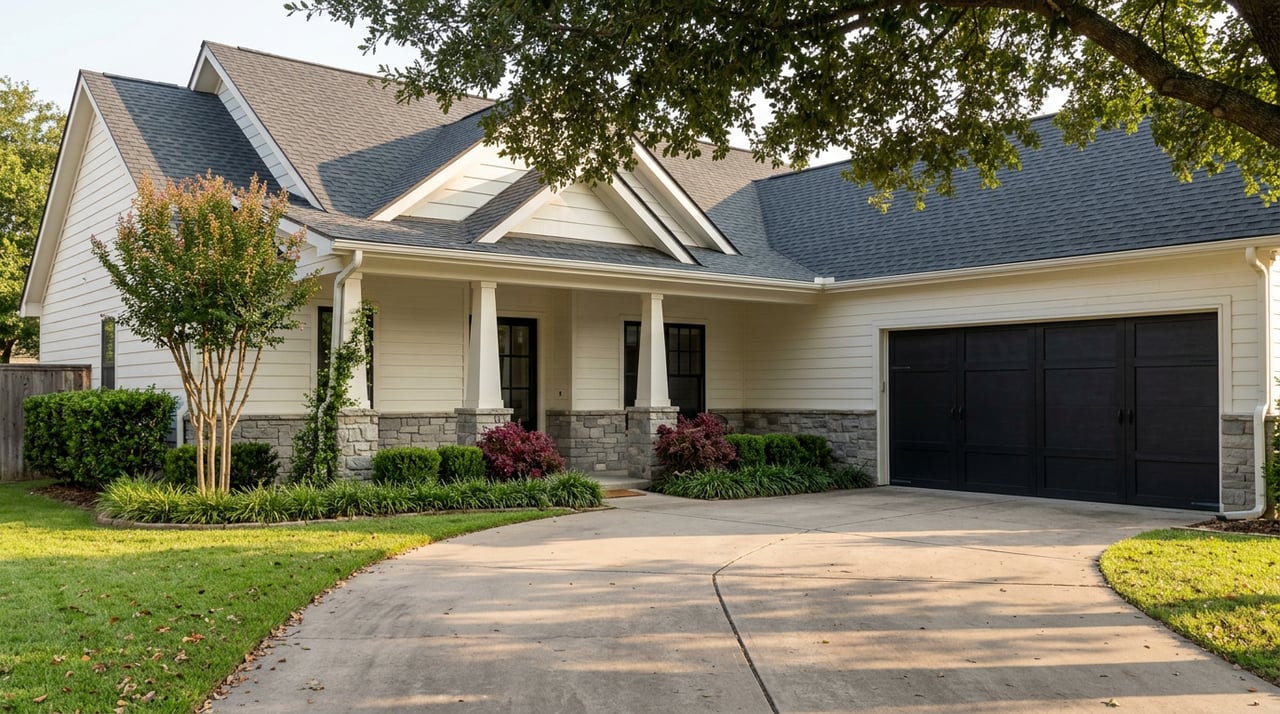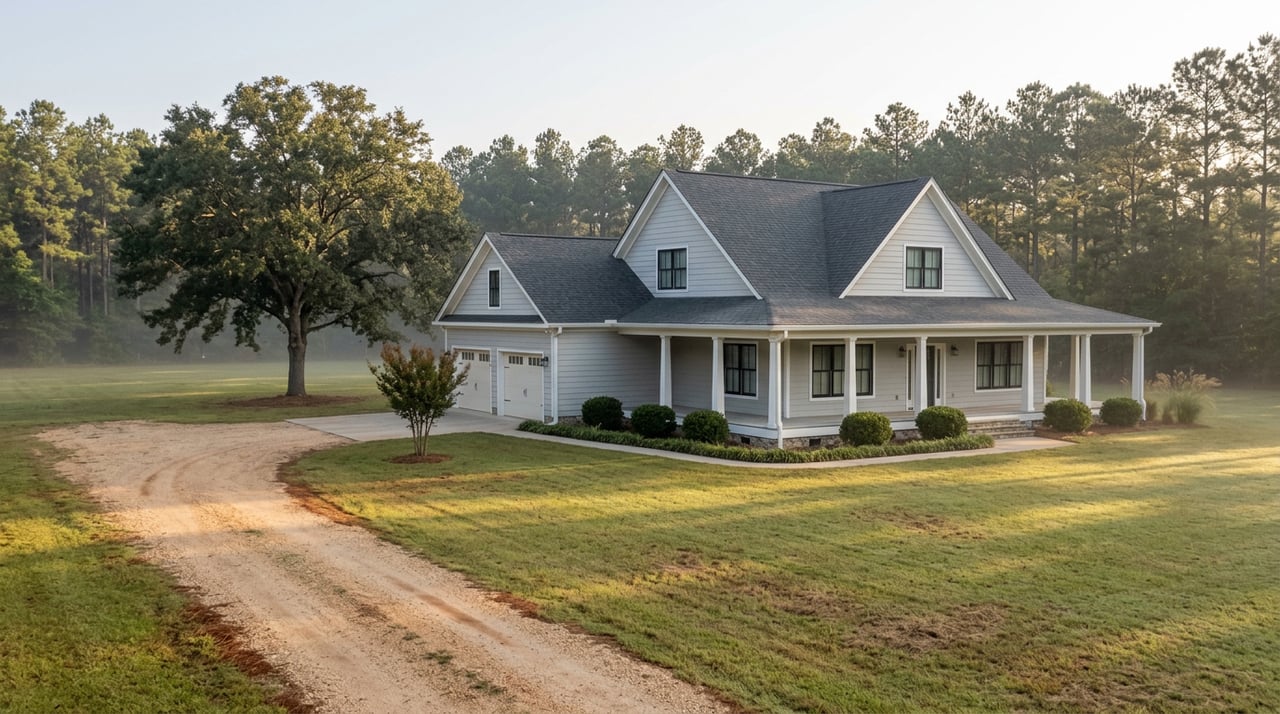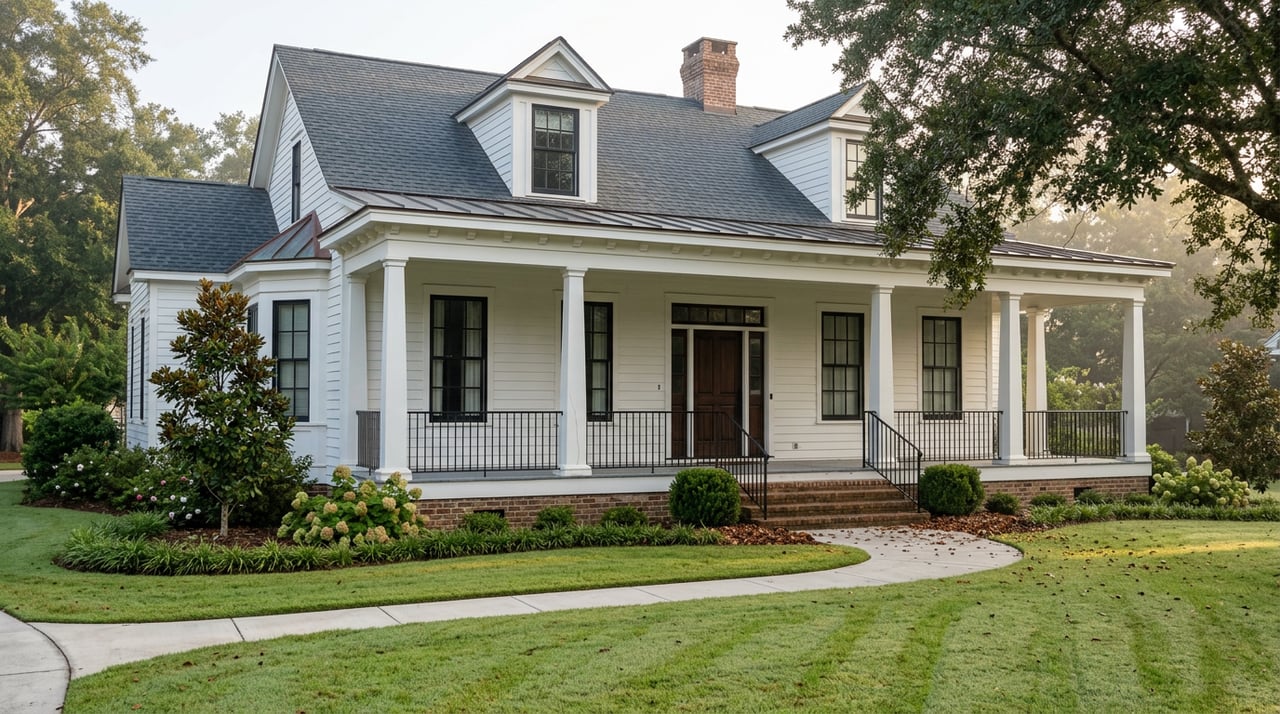
A buyer who falls for a house on Bellevue Avenue usually finds out about the paperwork after the ink is dry. They picture new exterior paint, maybe a window swap, maybe a small addition to match the wraparound porch next door. Then someone at the closing table or a neighbor on move-in day mentions the board. Not a homeowners association. A city board, with its own meeting calendar, that gets a vote on how the front of the house looks before any of that work can start.
Bellevue Avenue earned the nickname Millionaire's Row back when Dublin's cotton and rail money built the street up in the late 1800s and early 1900s. First Baptist Church still anchors it with a Gothic sanctuary raised in 1910, styled after Scotland's Melrose Abbey. The Cecil E. Carroll House sits behind a rose garden near the old Dublin High School grounds. The Pritchett-Orr-Clark House, built around 1900 by industrialist Thomas J. Pritchett, still shows off its wraparound porch and dormers. Some of these homes are private residences today. Some, like 1101 Bellevue Avenue, now house professional offices such as Brown Interior Design. What they share is a spot inside the city's local historic district, and that status changes what buying one actually means.
The Board Nobody Mentions During the Walkthrough
The City of Dublin's historic district runs along Bellevue Avenue and through Downtown, and it comes with its own governing body: a seven-member Historic Review Board. Anything visible from the public right of way, the structure itself, landscaping, signage, has to clear that board through a Certificate of Appropriateness before the work happens, not after.
The board meets monthly at City Hall, 100 S. Church Street, and applications are due 10 days ahead of the scheduled meeting. Miss that window and a project waits for next month's agenda, whether it's a homeowner picking new trim paint or a buyer planning to convert a carriage house into a guest suite. The city also updated its fee schedule and permit-issuance process in October 2025, so anyone working from an older checklist should confirm the current version with the Planning and Development Department before filing.
None of this shows up on a listing sheet. It shows up in the calendar a buyer has to build around once they own the place.
What the Median Price Is Actually Counting
Here's where the timeline matters for anyone reading Dublin's price trend as a simple story about a hotter market. Over the three months ending May 2026, Dublin's median sale price hit $239,000, up 25.7% from the same window a year earlier. On its own, that number reads like strong, broad demand.
Look at what sits next to it. In that same three-month window, only 29 homes sold in May 2026, down from 46 in May 2025. Average days on market climbed from 49 to 69. Fewer homes changed hands, and the ones that did took longer to close.
A median doesn't require more buyers competing harder across the board. It only requires a shift in which homes are actually the ones selling. A home like 705 Bellevue Avenue, built in 1912, sold for $438,000 back in 2023, well above the price range that dominates Dublin's typical listings. When a market thins out and even a handful of higher-value historic-district sales keep closing, that alone can pull the midpoint upward even while the broader supply of modest, move-in-ready homes sits waiting for a buyer.
Why the Historic Core Skews the Number
The two threads connect. The same streets carrying the price premium are the ones carrying the paperwork.
A seller inside the district who wants to repaint the trim or swap out windows before listing has to route that request through the Historic Review Board first, which can add weeks to a pre-listing refresh that would take a weekend anywhere else in Dublin. A buyer who plans to modify the exterior after closing faces the same filing window and the same monthly meeting cadence. Either way, a transaction tied to a historic-district property carries a built-in timeline that a non-historic listing never has to clear.
That added friction is a reasonable piece of why the citywide average days-on-market figure moved from 49 to 69. It doesn't take many slower, higher-value historic sales mixed into a shrinking pool of total transactions to drag the average in that direction, even as fewer homes overall find buyers.
Reading a Dublin Listing Correctly
For anyone comparing a Bellevue Avenue property to a home elsewhere in Dublin, a few checks matter more than the median headline.
Confirm the district boundary before assuming anything about renovation timelines. The city's map draws the line along Bellevue Avenue and through Downtown specifically, so an old house a few blocks away, even one that looks just as historic, may sit outside the review requirement entirely.
Check the closing date against the board's monthly meeting schedule if any exterior work is part of the plan. A purchase that closes right after a filing deadline can mean a full month's wait before a Certificate of Appropriateness application even reaches the agenda.
Weigh a specific listing's days-on-market count against the citywide average of 69 days from this reporting window. A historic-district home sitting past 90 days isn't necessarily a sign of weak demand. It may simply be waiting on a review cycle that a buyer outside the district never has to think about.
Frequently Asked Questions
Does every historic-looking home in Dublin fall under the Historic Review Board? No. The district as mapped by the city covers Bellevue Avenue and Downtown. A home outside that boundary, even one built in the same era with similar architecture, isn't subject to Certificate of Appropriateness review.
What changed with the October 2025 update? The city implemented a new fee schedule and a revised process for permit issuance that fall. Anyone working from paperwork or notes from before October 2025 should confirm current fees and steps with the Planning and Development Department rather than assume the old version still applies.
Does the board review interior renovations? No. The Certificate of Appropriateness requirement covers exterior alterations, landscaping, and signage visible from the public right of way, not work done inside the home.
Dublin's median price tells you something happened in the market over the past year. It doesn't tell you whether that something was broad appreciation or a handful of historic-district sales pulling the number upward while the rest of the market slowed down. If you're weighing a home on Bellevue Avenue against something a few streets over, that distinction is worth more than the headline stat.
If you want a read on a specific Dublin listing, historic district or not, Grand Real Estate knows which streets carry which rules and which comps actually apply. Get Your Instant Home Valuation and start the conversation with numbers built for your address, not the citywide average.