If you are looking for a place where daily life feels a little simpler and community traditions still matter, Wrightsville may already be on your radar. In a small town, the details of everyday living matter just as much as the homes themselves, from where you run errands to how neighbors gather throughout the year. If you want a clearer picture of what it is really like to live here, this guide will walk you through Wrightsville’s pace, local traditions, and housing character. Let’s dive in.
Wrightsville at a Glance
Wrightsville is the county seat of Johnson County, and Johnson County had an estimated population of 9,178 as of July 1, 2024. The city of Wrightsville is much smaller, with Census Reporter estimating about 3,487 residents across 3.7 square miles. That small scale shapes daily life in a way many buyers find appealing.
Planning materials describe Wrightsville as a small historic city and a bedroom community for nearby larger cities like Dublin. That means you get a quieter home base while still staying connected to surrounding job centers and services. For many buyers, that balance is a big part of the appeal.
Daily Life in Wrightsville
One of the clearest signs of small-town living in Wrightsville is how much day-to-day life centers around downtown. Explore Georgia describes three major highways meeting in the heart of historic downtown, where you will find paved sidewalks, tree plantings, shops, restaurants, and historic buildings that shape the setting. Instead of a spread-out commercial corridor, the town has a more compact and familiar feel.
County offices and public services are also concentrated in Wrightsville. Johnson County places county administration, the clerk of superior court, tax assessors, recreation, the health department, and the senior center in town. When so many services are close by, daily errands can feel more straightforward and local.
School life is rooted in Wrightsville too. Johnson County Schools bases its elementary, middle, and high school in the city, which means school routines are part of the town’s everyday rhythm. For households thinking about convenience and local connection, that centralized setup can be meaningful.
A Town Built Around Familiar Routines
In many small towns, the pace of life is shaped by repetition in a good way. You start to recognize the same streets, civic buildings, and local businesses as part of your weekly routine. Wrightsville’s historic downtown and courthouse square support that kind of familiarity.
This setup can also make the town feel easier to learn if you are relocating from outside the area. You are not trying to navigate a large urban system with scattered services in every direction. Instead, many important parts of daily life are tied to a compact local core.
Local Services Reflect Small-Town Structure
Wrightsville and Johnson County also show how small communities often organize support systems locally. The county uses CodeRED alerts for emergency communication and operates nine volunteer fire departments. That structure reflects a community where public safety and civic support are built around local coordination.
For buyers considering a move, this matters because it speaks to how a place functions beyond the listing photos. It gives you a better sense of the community framework that supports everyday living.
Local Traditions That Bring People Together
Wrightsville’s community calendar is shaped more by recurring local gatherings than by large entertainment venues. The Wrightsville-Johnson County Chamber of Commerce highlights events such as the Wiggle & Twist Festival, the Annual Christmas Bazaar and Parade, and Johnson County’s 4th of July celebrations. These are the kinds of traditions that give a town its rhythm year after year.
The county’s 2025 4th of July notice included arts and crafts on the square, fireworks at the recreation department, and a street dance on the square. That detail says a lot about local life. Celebrations here are not just events you attend. They are woven into the town’s shared spaces.
The Role of the Courthouse Square
In Wrightsville, the courthouse square is more than a historic landmark. It is part of the setting for everyday life and community events. Planning documents describe the historic downtown as roughly six blocks around the courthouse square, with early 20th-century commercial buildings and streetscape improvements.
That kind of layout often creates a stronger sense of place. It gives residents a central point for errands, gatherings, and seasonal traditions. For homebuyers, it can also help explain why living near downtown feels different from living in more spread-out communities.
Historic Landmarks Shape Local Identity
Wrightsville’s identity is closely tied to preservation and local history. County planning materials point to landmarks such as the Johnson County Courthouse, the Grice House, the Wrightsville Depot, and the old Primary School. These places help connect present-day life with the town’s earlier chapters.
Even if you are not specifically searching for a historic property, this still matters. A town with visible landmarks and preserved character often feels more rooted and recognizable. That can be a meaningful part of choosing where to live.
What the Housing Character Feels Like
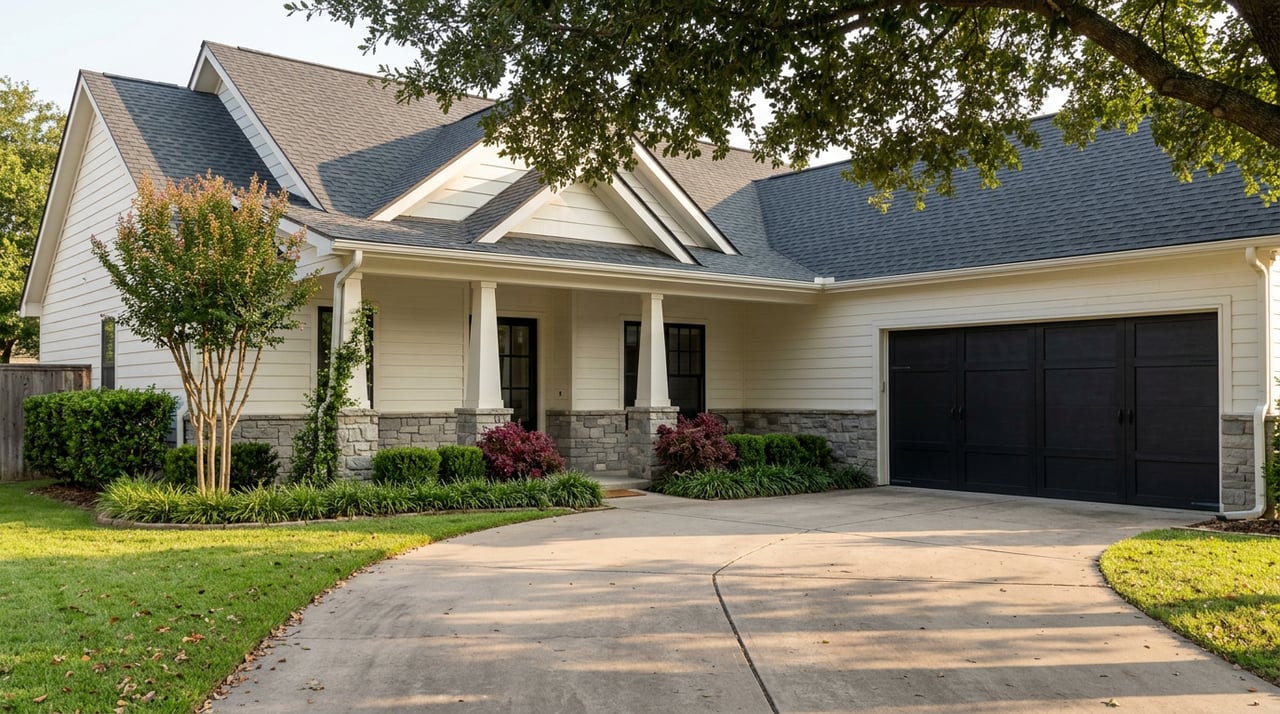
Wrightsville’s housing story fits its small-town setting. Census Reporter estimates 989 housing units and 892 households in the city, with a median owner-occupied home value of $65,400. Countywide, Johnson County QuickFacts show a 75.2% owner-occupied housing rate, a median owner-occupied value of $91,200, and a median gross rent of $661.
These numbers are best treated as general context rather than exact pricing for any individual home. Still, they help paint a picture of a market that is shaped by local ownership, modest scale, and a mix of housing types. For buyers, that can point to a more grounded and practical housing environment.
In-Town Homes and Rural Settings
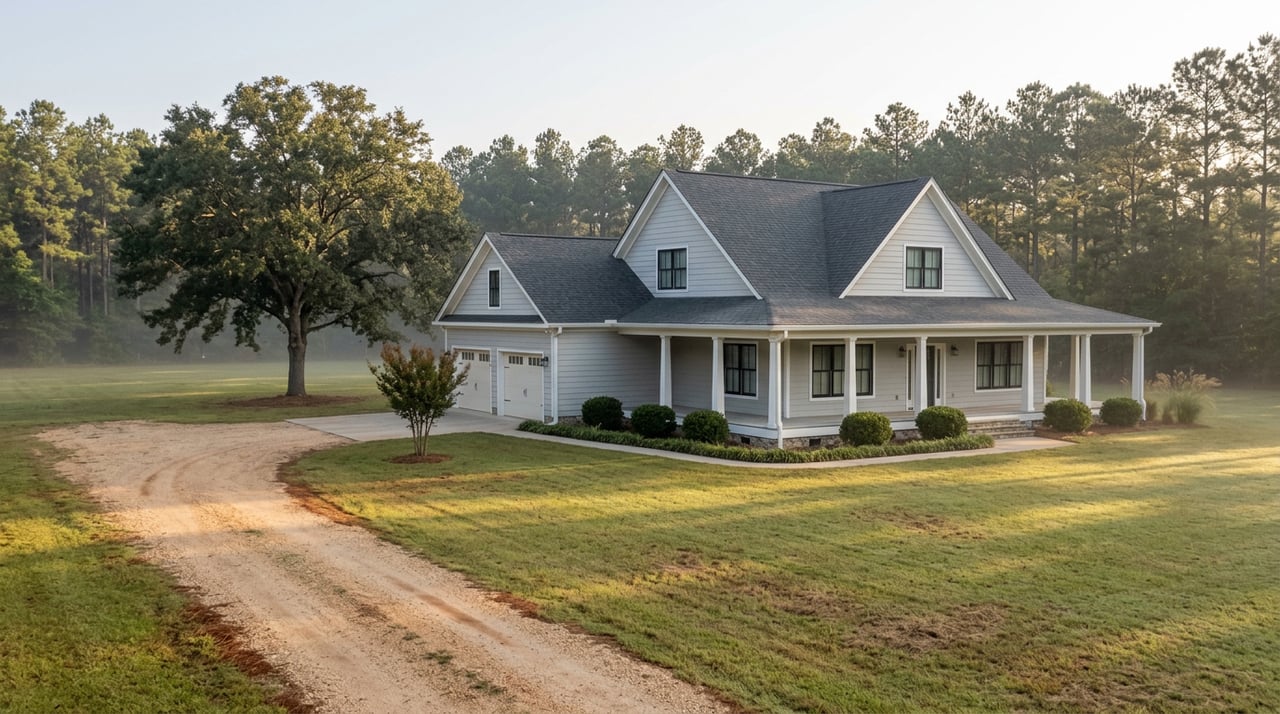
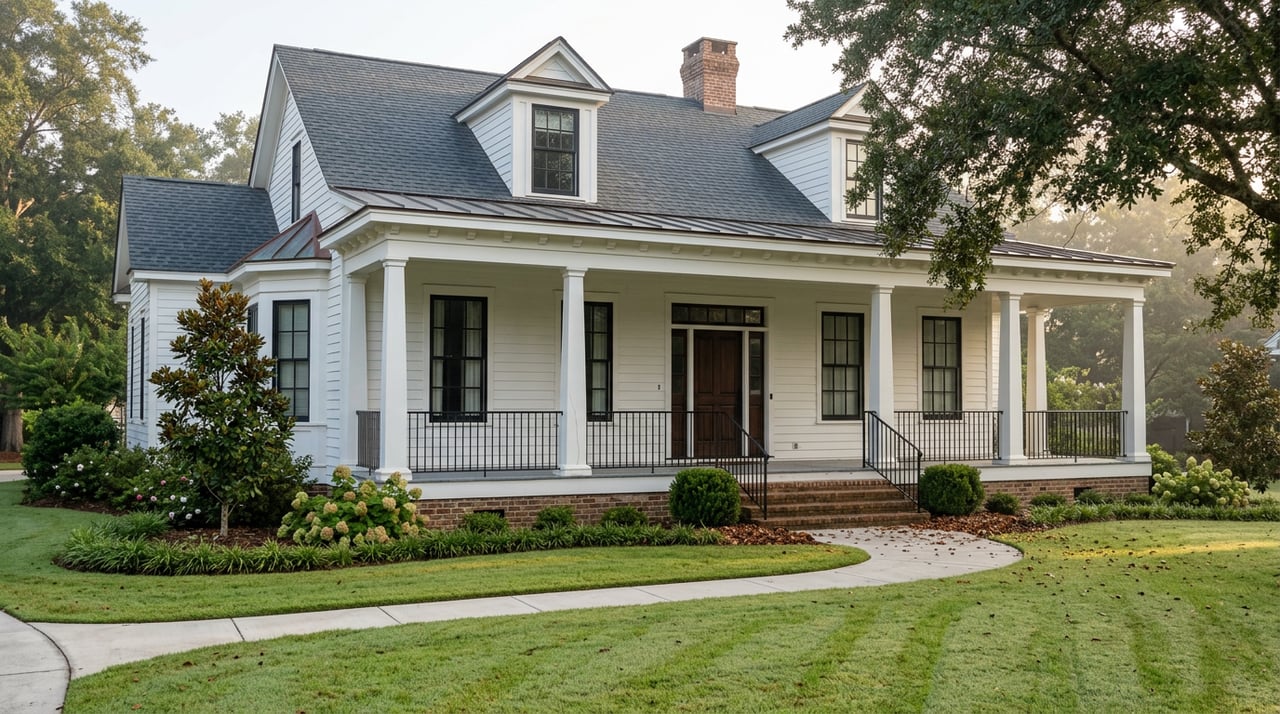
Planning materials support a picture of Wrightsville as a place where older in-town homes near the square and quieter rural residential settings both fit the local story. The county emphasizes preserving rural character, low density, and compatible development while also supporting downtown revitalization and tourism. In practical terms, that means you may find very different living environments within the same market area.
Some buyers may be drawn to homes closer to downtown landmarks and daily services. Others may prefer a more rural setting with extra space and a quieter backdrop. Wrightsville can appeal to both, which is part of what makes it worth a closer look.
Commuting and Regional Connection
Census Reporter lists a mean travel time to work of 23.2 minutes. That supports the idea that Wrightsville can serve as a quieter home base while remaining connected to surrounding communities. If you work in a nearby city or travel regionally, that balance may fit your lifestyle.
For relocation buyers, this is often an important part of the decision. You are not only choosing a home. You are choosing how your day will feel before and after work, and how much of your life happens locally.
Why Small-Town Living Appeals to Buyers
For many people, Wrightsville’s appeal comes down to scale and consistency. A smaller population, a defined downtown, locally centered services, and recurring community traditions can create a lifestyle that feels easier to settle into. You may find that what stands out most is not one major attraction, but the way the town works as a whole.
That is especially true if you value a rural atmosphere, recognizable local landmarks, and a community calendar built around civic gatherings. Explore Georgia describes Wrightsville as having a friendly, rural atmosphere, and county plans reinforce the importance of rural character and low density. Those qualities help explain why the town feels distinct.
What to Consider if You Are Moving to Wrightsville
If Wrightsville is on your list, it helps to think beyond square footage and price. Consider how close you want to be to downtown services, whether you prefer an in-town setting or a more rural one, and how important community events and local routines are to your lifestyle. In a town this size, those factors can shape your experience in a big way.
It is also smart to view local housing through the lens of context. Older homes, historic areas, and rural properties can each come with different advantages depending on your goals. A local real estate guide can help you understand how those options fit your budget, commute, and long-term plans.
If you are exploring homes in Wrightsville or thinking about a move to the area, Grand Real Estate can help you navigate the market with local insight and a hands-on approach.
FAQs
What is Wrightsville, Georgia known for?
- Wrightsville is known as the county seat of Johnson County, with a historic downtown, courthouse square, notable local landmarks, and recurring events like the Wiggle & Twist Festival, Christmas celebrations, and 4th of July programming.
What does daily life in Wrightsville, Georgia look like?
- Daily life in Wrightsville centers on a compact downtown, local shops and restaurants, county offices, recreation services, and schools that are all based in town, which creates a more connected small-town routine.
Is Wrightsville, Georgia a quiet rural town?
- Wrightsville is widely described as having a rural atmosphere, and county planning documents emphasize preserving rural character and low-density development.
What types of homes can you find in Wrightsville, Georgia?
- Wrightsville’s housing character includes older in-town homes near the historic core as well as quieter rural residential settings outside downtown, giving buyers a mix of options.
Is Wrightsville, Georgia a good place for relocation buyers to consider?
- Wrightsville may appeal to relocation buyers who want a smaller community, locally rooted services, a historic downtown setting, and access to nearby cities while living in a quieter home base.