Wondering which part of Dublin fits the way you actually live? That is one of the smartest questions you can ask before buying a home here. In a city as compact as Dublin, small shifts in location can change your day-to-day routine, home style, lot size, and access to shopping, parks, and services. This guide breaks down how Dublin, GA neighborhoods compare for different lifestyles so you can narrow your search with more confidence. Let’s dive in.
Dublin lifestyle overview
Dublin is a compact city of about 13.2 square miles, which means you are rarely far from daily services, major roads, or downtown destinations. The city sits at the junction of I-16 and U.S. 441/319, with U.S. 80 also providing access, making it convenient for local travel and regional trips.
That compact footprint matters when you compare neighborhoods. In Dublin, the biggest lifestyle differences usually come down to setting, housing age, lot size, and how close you want to be to shopping, recreation, or open land.
A helpful way to think about the market is in four broad categories:
- Historic core and downtown living
- Established in-town neighborhoods
- Amenity-heavy west side living
- Rural edge and county-fringe living
Downtown Dublin for walkable living
If you want the most event-oriented and walkable part of Dublin, downtown is the clearest place to start. The central area includes government offices, boutique shops, restaurants, banks, a post office, and landmarks like Theatre Dublin, the Old Post Office, Market on Madison, the Dublin Carnegie, the Fred Roberts Hotel, and MLK Monument Park.
Downtown also carries the strongest sense of historic character. The streets are lined with buildings dating back to the 19th century, and the area is framed as a self-guided walking district, which gives it a different feel from the more car-oriented parts of town.
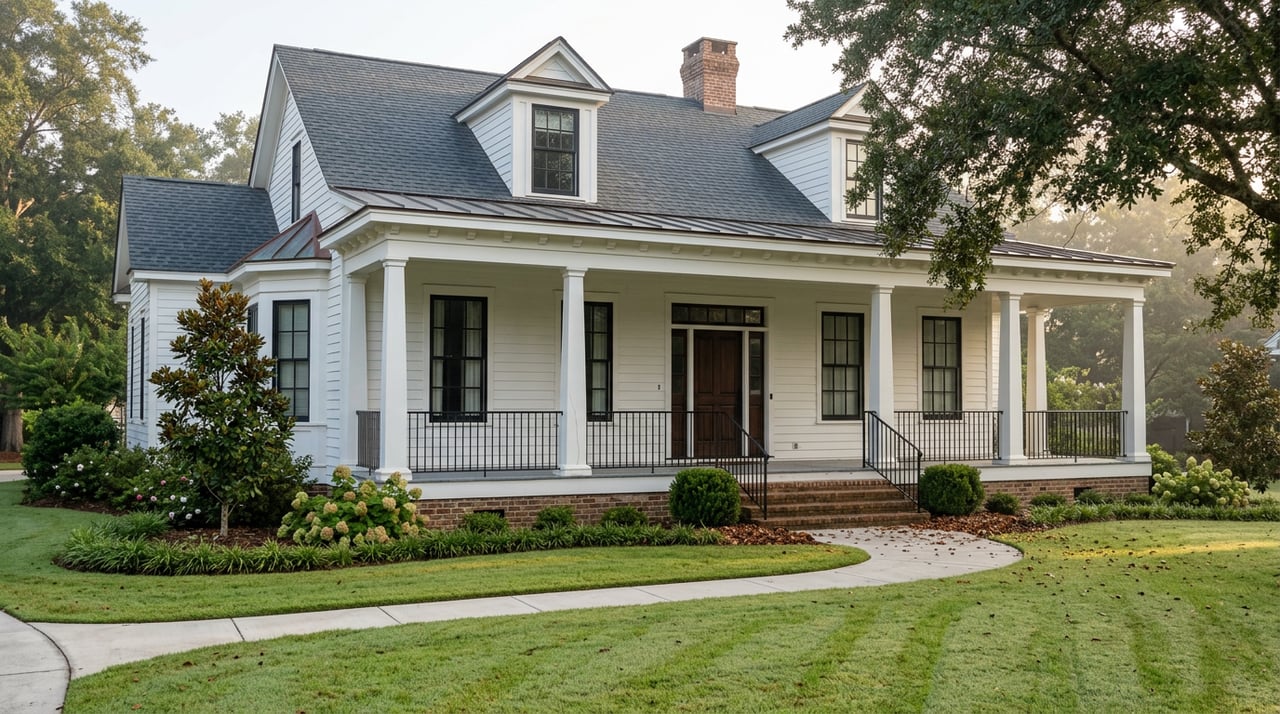
Housing near the core tends to reflect that setting. Recent examples include older character homes from the 1920s, smaller in-town lots, and some attached housing, which points to a more mixed-use feel than you will find on the edges of the city.
Who downtown may suit best
Downtown can be a strong fit if you want:
- Quick access to events, shops, and restaurants
- Historic homes with character
- An in-town setting with smaller lots
- A lifestyle that favors shorter trips and more walkability
If you picture yourself enjoying a home with history and being close to the center of activity, downtown may feel like the right match.
Scottsville for central convenience
Scottsville sits in the near northeast portion of Dublin and offers a practical middle ground between the downtown core and other in-town areas. It is an established neighborhood with a broad mix of housing structures and some commercial and professional businesses near its western and southern edges.
Its location is one of its main strengths. With the central business district immediately southwest, Scottsville gives you relatively quick access to downtown services without placing you directly in the historic core.
The housing pattern here reads as older in-town Dublin rather than a newer subdivision. That can appeal to buyers who want central access and established surroundings, while staying open to older homes and a varied streetscape.
Who Scottsville may suit best
Scottsville may be worth a closer look if you want:
- An established in-town neighborhood
- Quick drives to downtown amenities
- Older housing stock
- A location that balances access and neighborhood feel
For many buyers, Scottsville works well as a short list area when convenience matters but a full downtown setting is not the goal.
Southside for parks and recreation
Southside is the largest of the city’s three targeted neighborhoods in the housing assessment, and it offers a strong mix of established residential living and nearby community amenities. The area is primarily residential, with some light commercial uses along Glenwood and South Jefferson Avenue, and the central business district sits only about two blocks north.
What stands out most in Southside is the recreation-and-services mix. Riverview Golf Course, Riverview Park, the 62-acre Oconee Community Center, the Dublin Police Department, childcare options, and grocery or convenience services are located on or near the neighborhood’s boundaries.
That mix shapes the lifestyle here. If you want an established in-town area where recreation and daily needs are relatively close, Southside offers a practical option.
Who Southside may suit best
Southside may be a good fit if you want:
- Established in-town living
- Nearby parks and recreation
- Access to community services close by
- Older housing stock with central convenience
For buyers who want to stay in town and keep parks or activity spaces within easy reach, Southside deserves attention.
Stubbs Park for compact in-town living
Stubbs Park is the smallest of the city’s targeted neighborhoods, but it packs a lot into a compact footprint. The area is predominantly residential, with mostly single-family homes and multifamily rental housing, plus some light commercial uses, and the central business district is just southeast of it.
The namesake park and community center help define the area. Amenities include tennis courts, picnic shelters, a playground, a programming building, an outdoor basketball court, and a skate park.
Another plus is convenience for everyday errands. Dublin Corners Shopping Center and urgent care are just outside or near the neighborhood border, which can reduce the need for longer cross-town trips.
Who Stubbs Park may suit best
Stubbs Park may work well if you want:
- A compact in-town location
- Recreation close to home
- Quick access to shopping and daily errands
- A neighborhood feel near the city center
If your goal is simple, efficient in-town living with nearby amenities, this area can make a lot of sense.
West Dublin for everyday convenience
If your top priority is having major services clustered in one part of town, the west side is the strongest contender. The city assessment describes West and Far West as Dublin’s most amenity-dense submarket, with grocery stores, medical facilities, pharmacies, fitness facilities, restaurants, shopping centers, cinemas, bowling, and other everyday services.
This part of Dublin also includes destinations like the Dublin Mall, Westgate, Oak Ridge, Dublin Village, Ollie’s shopping centers, the VA Medical Center, Fairview Park Hospital, Hilburn Park, and the Dublin High School campus. Even when some edges are farther out, the overall pattern is one of strong service concentration.
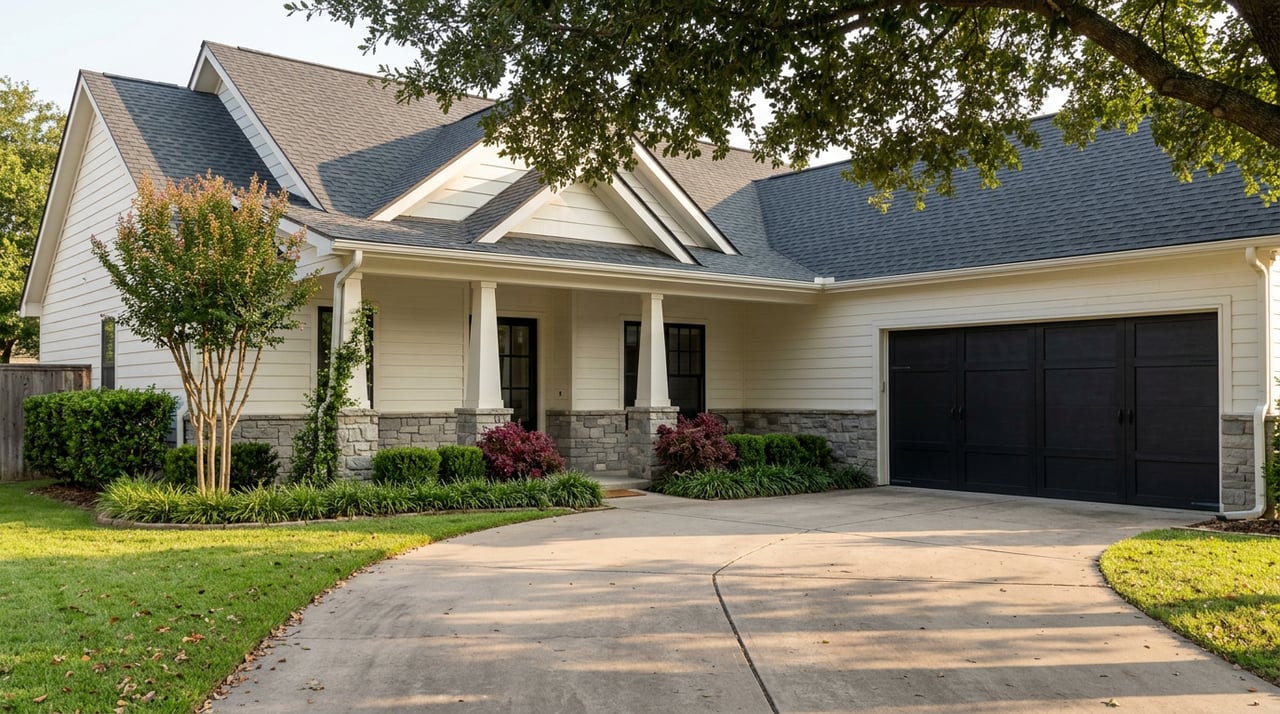
Housing on the west side and county edge often feels more suburban or edge-of-town than historic core. Recent examples suggest a mix of established homes, newer homes, and generally larger lots than you tend to see downtown.
Who the west side may suit best
The west side may be the best match if you want:
- Shopping, dining, and services nearby
- Medical access in the same general area
- More suburban or edge-of-town housing patterns
- Potential for more lot space than the historic core
For buyers who want convenience first and do not mind a more car-oriented routine, west Dublin is often a smart place to focus.
Far south and county fringe for acreage
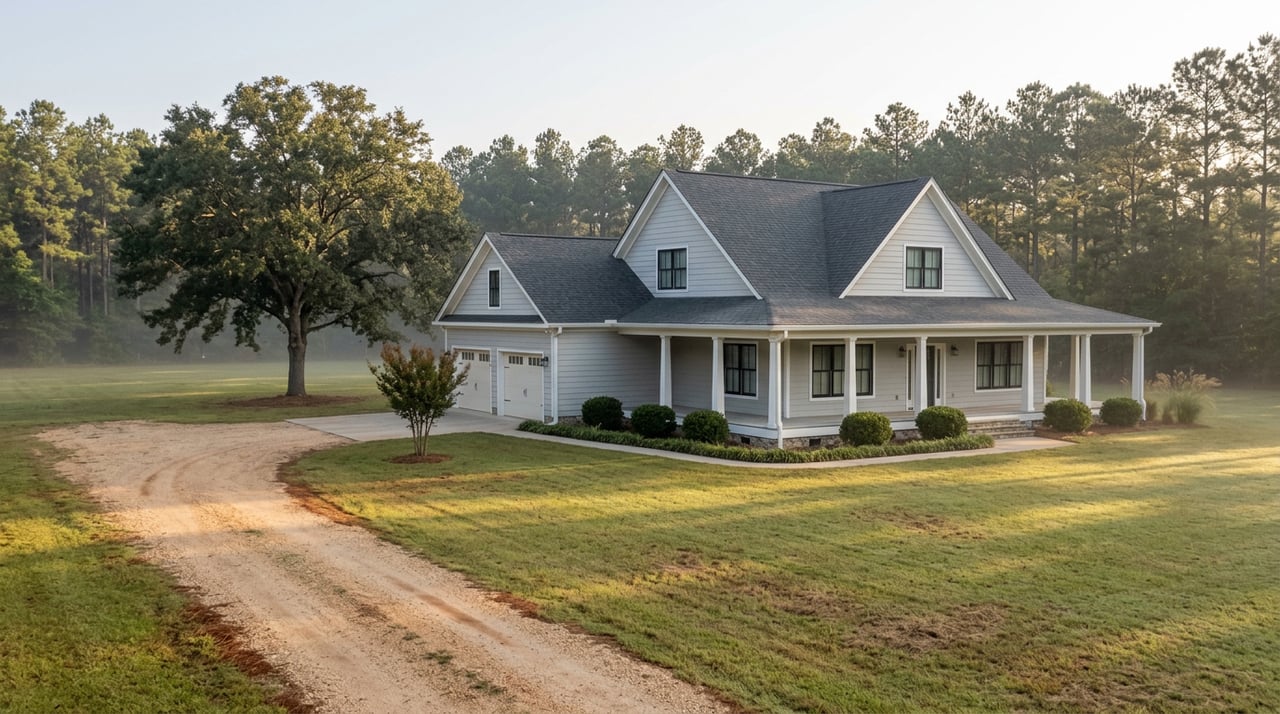
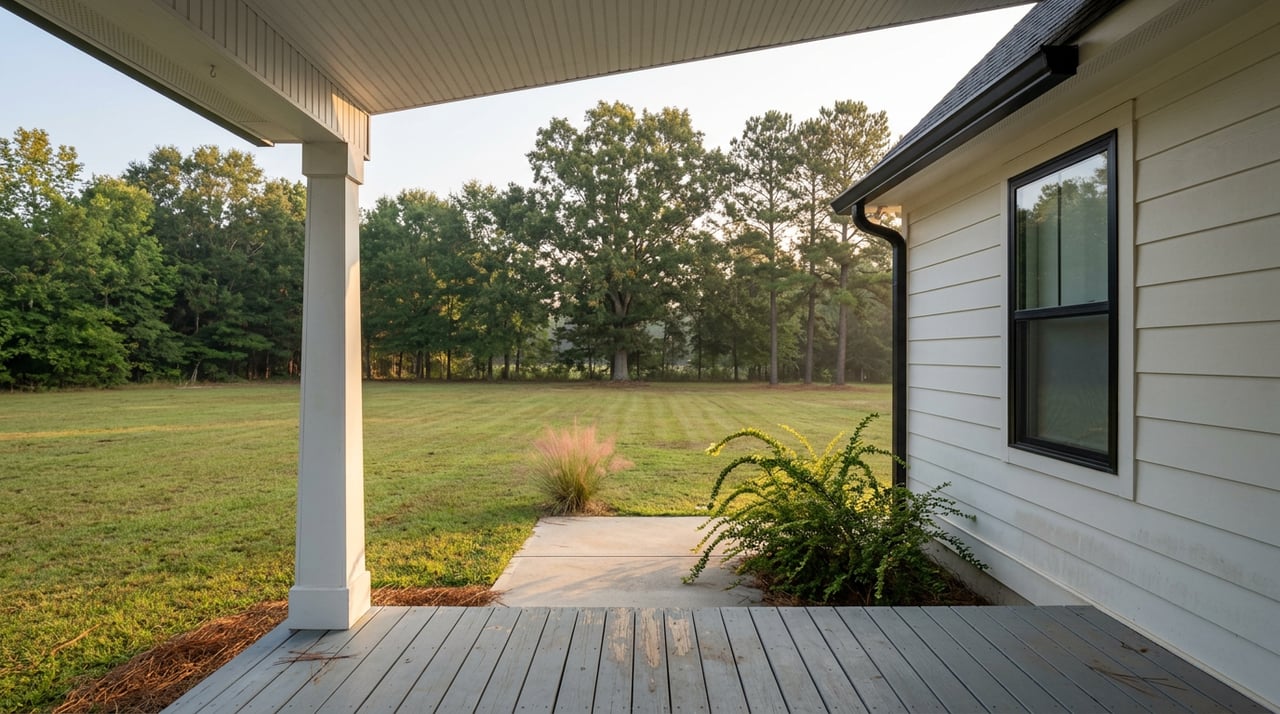
If your ideal property includes more land, more privacy, or a rural setting, the far south, southwest, and county-fringe areas are the clearest fit. The city assessment describes this submarket as predominantly rural, with heavily wooded and agricultural land.
This area is also anchored by outdoor and event spaces like Southern Pines Regional Park and Equestrian Center and the Southern Pines AG & Expo Center. That adds to the appeal for buyers who value open space and an outdoor-oriented setting.
Recent listing examples show that this is where lot sizes really begin to open up. Properties can range from about one acre to more than 24 acres, making this the strongest option for buyers looking for land, privacy, or hobby-farm potential.
Who the rural edge may suit best
The county fringe may be right for you if you want:
- Acreage or larger lots
- More privacy
- A rural or wooded setting
- Space for outdoor uses or hobby property goals
The tradeoff is usually convenience. You may gain room to spread out, but you will likely give up some of the close-in access you get in central or west Dublin.
Lot size and home style matter
In Dublin, neighborhood labels only tell part of the story. Lot size and home style are often shaped more by whether a property is in the historic core, an established in-town area, a suburban-style section, or the county fringe.
Recent examples highlight that range clearly. Near downtown, you may find a 1927 home on 0.36 acres or another 1920s home near the historic district, while newer in-town homes can sit on compact lots. On the west side or near the city edge, homes may sit on roughly half-acre to 1.29-acre lots, and county-edge properties can stretch from one acre to more than 24 acres.
That means your search should start with lifestyle, then narrow by property type. If you want walkability, expect older homes and smaller lots. If you want acreage, focus beyond the core.
A smart way to narrow your search
If you are comparing Dublin neighborhoods, a few questions can help you quickly sort the options:
- Do you want walkability or are you fine driving most places?
- Do you prefer historic character or newer construction?
- How much lot space do you want?
- Do you want shopping and medical services clustered nearby?
- Would you trade convenience for privacy and acreage?
Those answers usually point buyers in a clear direction. Downtown fits walkable, event-oriented living. Southside and Stubbs Park fit established in-town living with recreation access. Scottsville fits central convenience. West Dublin fits service-heavy daily routines. The county fringe fits land and privacy.
One more important note: Dublin has two separate public school systems, Dublin City Schools and Laurens County Schools. Because school assignment depends on the specific address, you should verify the school zone for any home you are considering rather than assuming it based on neighborhood name alone.
No matter which part of Dublin feels most like home, the best move is to compare your day-to-day priorities with what each area actually offers. If you want local guidance on neighborhoods, home styles, lot sizes, or acreage opportunities in Dublin and Laurens County, connect with Grand Real Estate.
FAQs
Which Dublin GA area is best for walkable living?
- Downtown Dublin is the strongest fit for buyers who want the most walkable, event-oriented setting with close access to shops, restaurants, and landmarks.
Which Dublin GA neighborhoods are best for parks and recreation?
- Southside and Stubbs Park stand out for recreation access, with amenities such as Riverview Park, Riverview Golf Course, the Oconee Community Center, and the Stubbs Park community facilities nearby.
Which part of Dublin GA has the most shopping and services?
- West Dublin is the city’s most amenity-dense area, with shopping centers, restaurants, medical facilities, pharmacies, fitness options, and other daily services clustered together.
Where should you look for acreage near Dublin GA?
- The far south, southwest, and county-fringe areas are the clearest options for larger lots, privacy, wooded land, and rural-style properties.
Do Dublin GA neighborhood names tell you the school zone?
- No. Dublin has separate Dublin City Schools and Laurens County Schools systems, so you should verify the school assignment for a property by its exact address.
Are homes in downtown Dublin GA usually older?
- Yes. Housing near downtown often includes older character homes, some dating to the 1920s, along with smaller in-town lots and a more mixed-use setting.