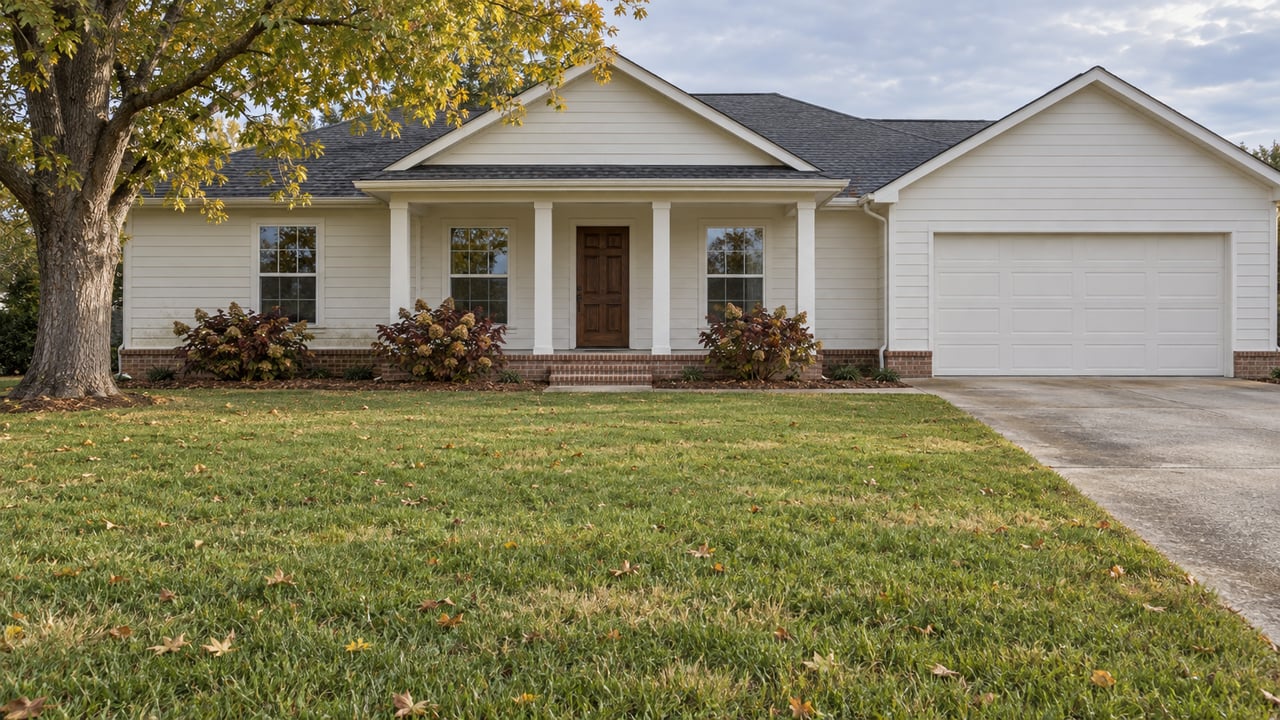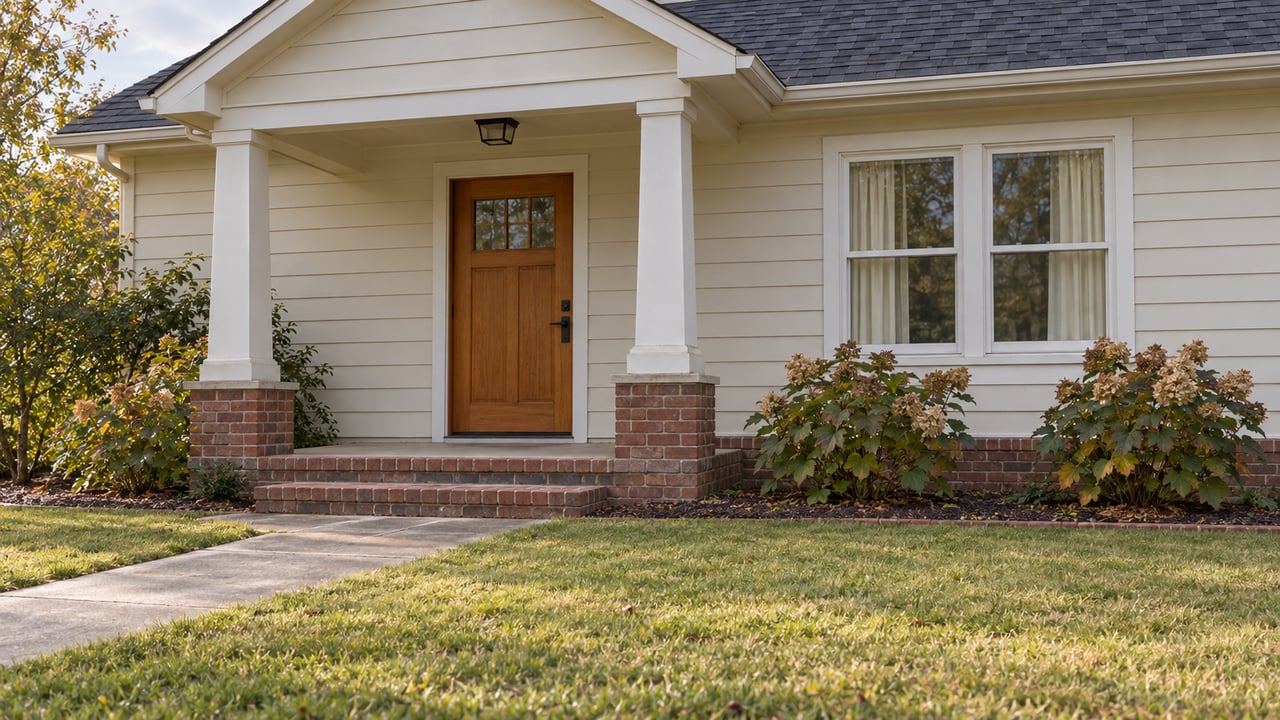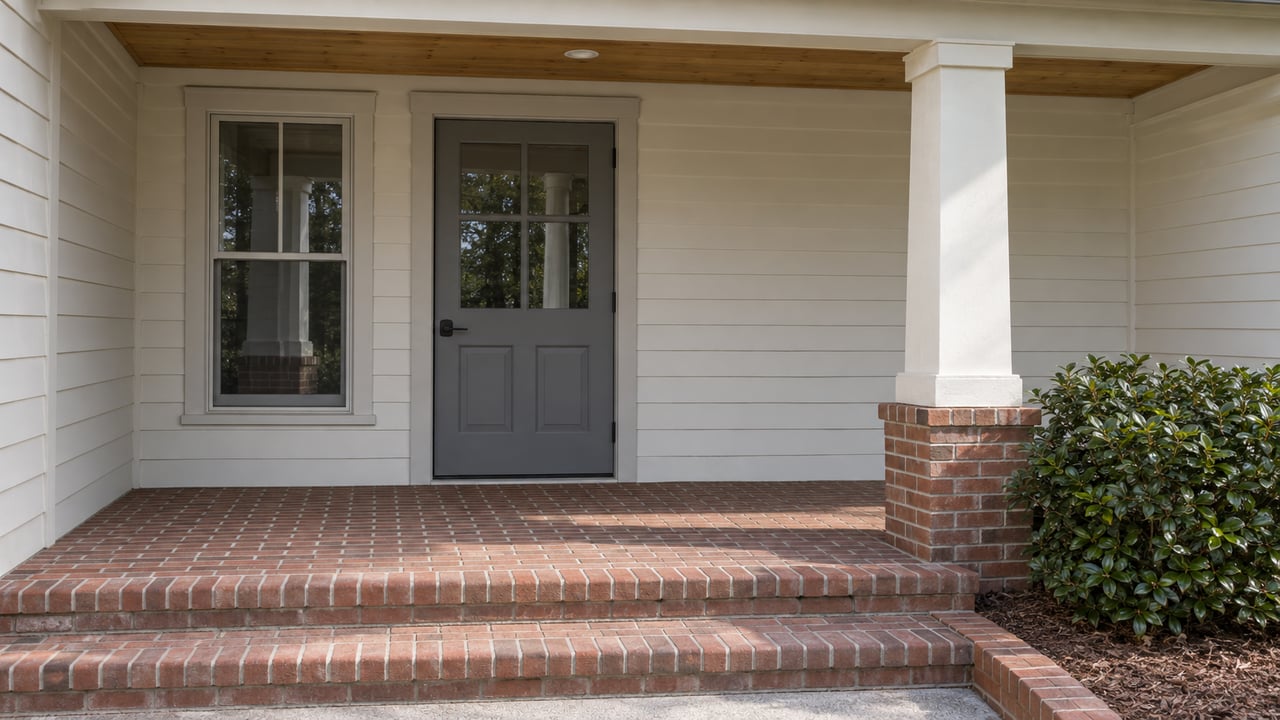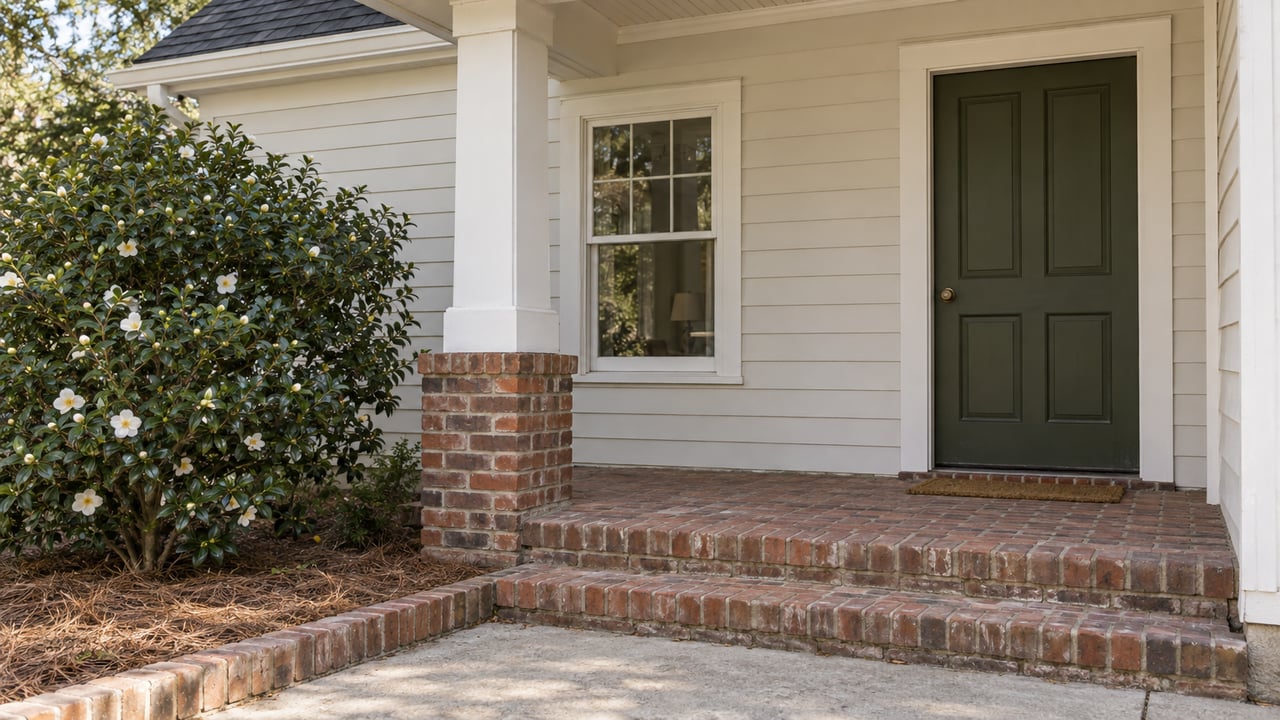
Drive down Bellevue Avenue in Dublin and at some point, without a sign to mark it, you cross out of the historic district. The city's own paperwork draws that line in plain language: any property on the avenue "from the Museum to Bubba's Tire" falls inside a boundary where changing the outside of your house requires a stop at City Hall first. Not a suggestion. A requirement, backed by state law, enforced by a seven-member board that meets on a schedule and has, under the Georgia Department of Community Affairs' model historic preservation ordinance, forty-five days to approve or reject an application.
If you're looking at a listing on Bellevue Avenue, or anywhere inside Dublin's local historic district, that boundary matters more than square footage. It determines whether your new porch railing needs a permit and a hearing, or just a permit. It determines how fast you can actually finish the renovation you're picturing when you tour the house. And it explains, more than the neighborhood's age or its architecture, why homes here tend to move slower through closing than a comparable house three blocks outside the line.
What the District Actually Covers
Dublin's Historic Review Board governs Bellevue Avenue and Downtown, according to the city's own Planning and Development page. The board reviews applications for Certificates of Appropriateness, known as COAs, for exterior material changes to any property inside the district. Because Dublin maintains an active review board and a locally designated district, the city holds status as a Certified Local Government, which opens the door to certain preservation grant funding that a non-certified town wouldn't have access to.
The avenue itself has a history that makes this oversight feel less like red tape and more like continuity. What's now called Bellevue Avenue started as a dirt path known as the Old Hawkinsville Wagon Road, and during Dublin's agricultural boom in the late 1800s and early 1900s it earned a nickname locals still use: "Millionaire's Row." The homes built along it during that period, the ones with the columns and the wraparound porches you see on real estate photos, are exactly the structures the ordinance was written to protect.
What Triggers a Certificate of Appropriateness
Georgia's Historic Preservation Act sets the baseline statewide. Under O.C.G.A. 44-10-27, once a property or district is designated, no material change in the appearance of a structure inside it can be made until the owner applies for and receives a Certificate of Appropriateness from the local commission. The application has to include drawings, photographs, or plans, whatever the board needs to evaluate the change.
In practice, that means a COA is required for:
- Replacing windows or doors
- Installing new siding, including anything marketed as low-maintenance or artificial
- Enclosing a porch
- Adding a fence
- Demolishing all or part of a structure
- Erecting a sign
- Moving a structure into or out of the district
The Georgia Department of Natural Resources' Local Districts FAQ carves out two specific exemptions worth knowing before you assume everything requires a hearing. Exterior paint color is explicitly excluded from COA review under the state act. Minor repairs and ordinary maintenance, like repainting or replacing a roof with the same materials, also don't trigger the process. So a homeowner repainting the trim on a Bellevue Avenue house or patching a roof with matching shingles can do that without an application. Swap those same shingles for a different material, or decide the trim needs to become a window, and the board gets involved.
For a buyer walking through a listing, the practical split is that the COA process concerns exterior changes.
The Forty-Five-Day Clock
Here's the mechanism that actually shapes a renovation timeline. Under the state model that Georgia cities like Dublin operate from, the commission has forty-five days from the date an application is filed to approve or reject it. If the board fails to act within that window, the application is automatically approved by default. That cuts both ways for a buyer. It means the process can't drag on indefinitely, since the clock forces a resolution. It also means you should allow up to forty-five days for board review in any plan that involves changing the exterior of a historic-district property.
For a buyer who closes on a Bellevue Avenue house expecting to start exterior renovations right away, that's a meaningful gap between move-in and permit. A rehab budget built around a contractor's estimate alone, without the board's calendar factored in, is missing a line item that has nothing to do with materials or labor and everything to do with a public meeting schedule.
What Happens If the Work Skips the Board
The Georgia Department of Community Affairs' Historic Preservation Office guide is direct about the consequence of doing exterior work without an approved COA first: it can lead to fines, permit delays, and the reversal of any unapproved alterations. That last part is the one worth sitting with. Reversal means the board can require the work be undone, not just penalized.
This is where due diligence on a historic-district purchase needs to go a step further than a standard home inspection. A buyer should ask not only whether past renovations pulled a county building permit, but whether any exterior changes to the property, replacement windows, a rebuilt porch, new siding, went through the Historic Review Board first. A house with unpermitted county work is a known risk that most buyers already screen for. A house with county-permitted work that never received a Certificate of Appropriateness is a separate, less obvious risk, one that could surface later as a requirement to restore the original appearance at the current owner's expense, whether that owner is the seller or, eventually, you.
What This Means for Value and Pace
Georgia's preservation office is careful not to overstate the financial case for designation. Its own guidance states that designation as a historic district doesn't directly affect property values. What it does note is that because owners in a protected district are shielded from insensitive development nearby, they tend to be more inclined to invest in their own properties, and that in most cases, values in locally designated districts first stabilize and then rise gradually over time, according to national and statewide studies the agency cites.
That's a useful frame for anyone comparing a Bellevue Avenue listing to a similar-sized house elsewhere in Dublin. The historic designation isn't a price premium built into the county tax record. It's a set of procedural guardrails that slow down how fast a house can change hands with exterior work attached, and that friction is very likely part of why homes on this stretch of the city have tended to carry longer, more paperwork-heavy transactions than the broader Dublin market. The COA process doesn't inflate the number on the listing. It changes how much time and documentation sit between an accepted offer and a finished renovation.
Before You Write an Offer
A few concrete steps make this manageable rather than intimidating:
- Confirm the exact address falls inside the boundary the city defines, since being on Bellevue Avenue doesn't automatically mean every visible feature of every lot is subject to review, and the district also includes Downtown Dublin.
- Ask the seller directly whether any exterior work done during their ownership went through the Historic Review Board, separate from asking about county permits.
- If your plans include anything visible from the street—siding, windows, a fence, or a new porch configuration—factor the board's review into your schedule before ordering exterior materials.
- Remember that paint color and like-for-like roof repairs don't require board approval, so not every cosmetic update triggers the process.
Frequently Asked Questions
Does the historic district cover both sides of Bellevue Avenue equally? The city's application defines the district by the corridor itself, running from the Museum to Bubba's Tire, and includes any part of a structure, landscaping, or signage visible from the avenue. Confirming a specific parcel's status is worth a direct check with the city's Planning and Development office before making renovation plans.
What if the board denies an application? Georgia's model ordinance requires the commission to state its reasons in writing if it rejects an application, and property owners have a formal appeal path, first to elected officials and then to Superior Court, if they believe the board acted outside its own standards.
Does this apply to a full teardown and rebuild? Yes. Demolition of all or part of a structure inside the district requires a Certificate of Appropriateness, the same as any other material exterior change.
If you're weighing a purchase on Bellevue Avenue or anywhere inside Dublin's historic district, the boundary lines and board calendar are worth understanding before the offer, not after the inspection. Grand Real Estate works these transactions locally and can walk you through what a specific address will and won't require before you write anything down.
This article is general information, not legal, tax or financial advice. Consult a qualified professional about your situation.