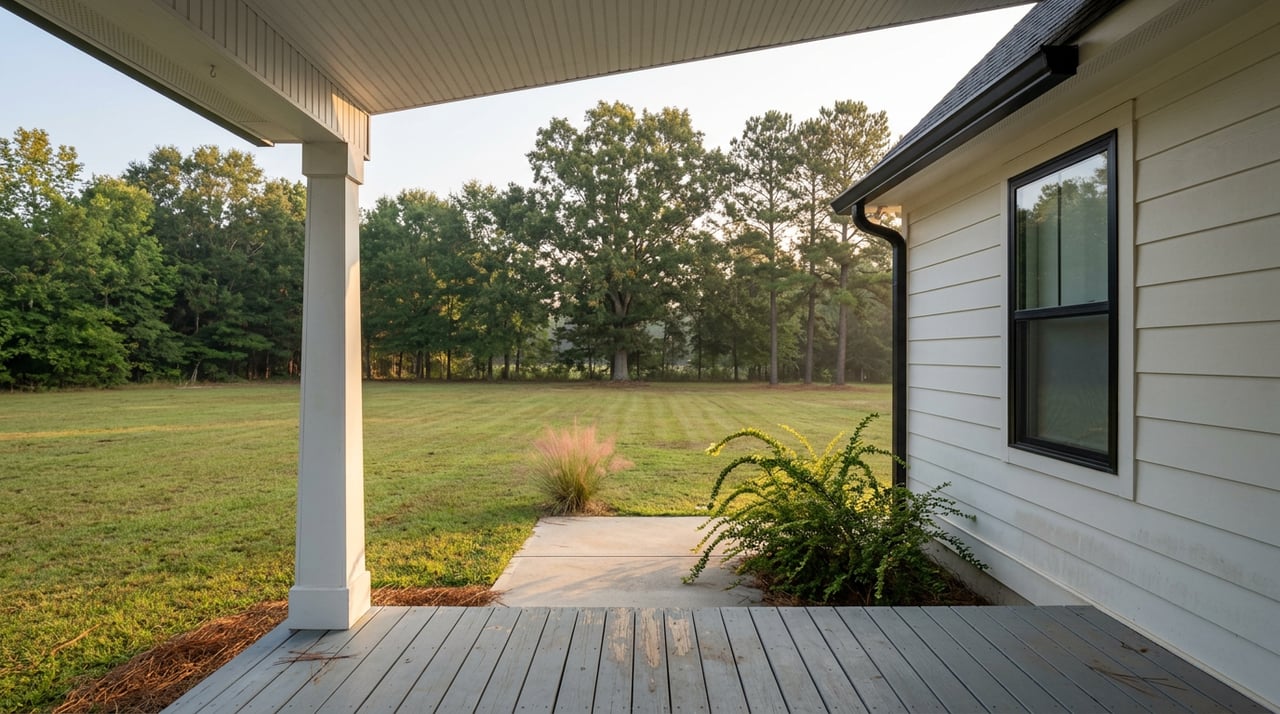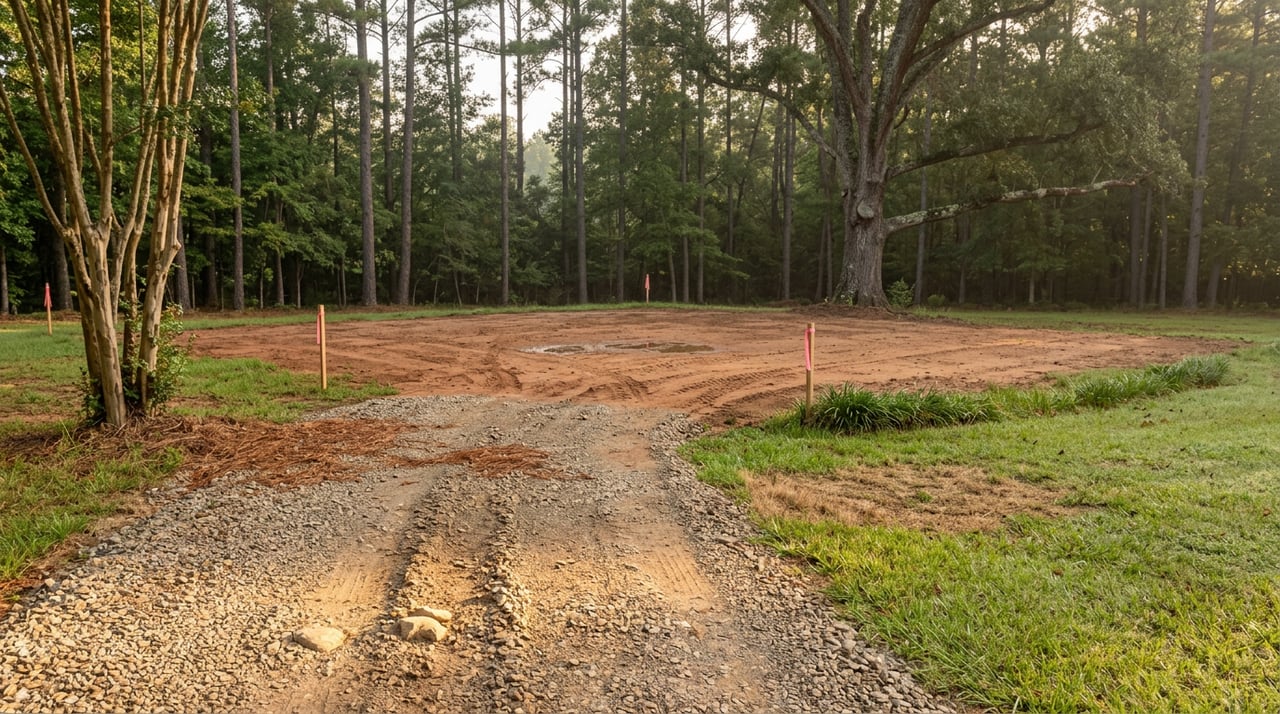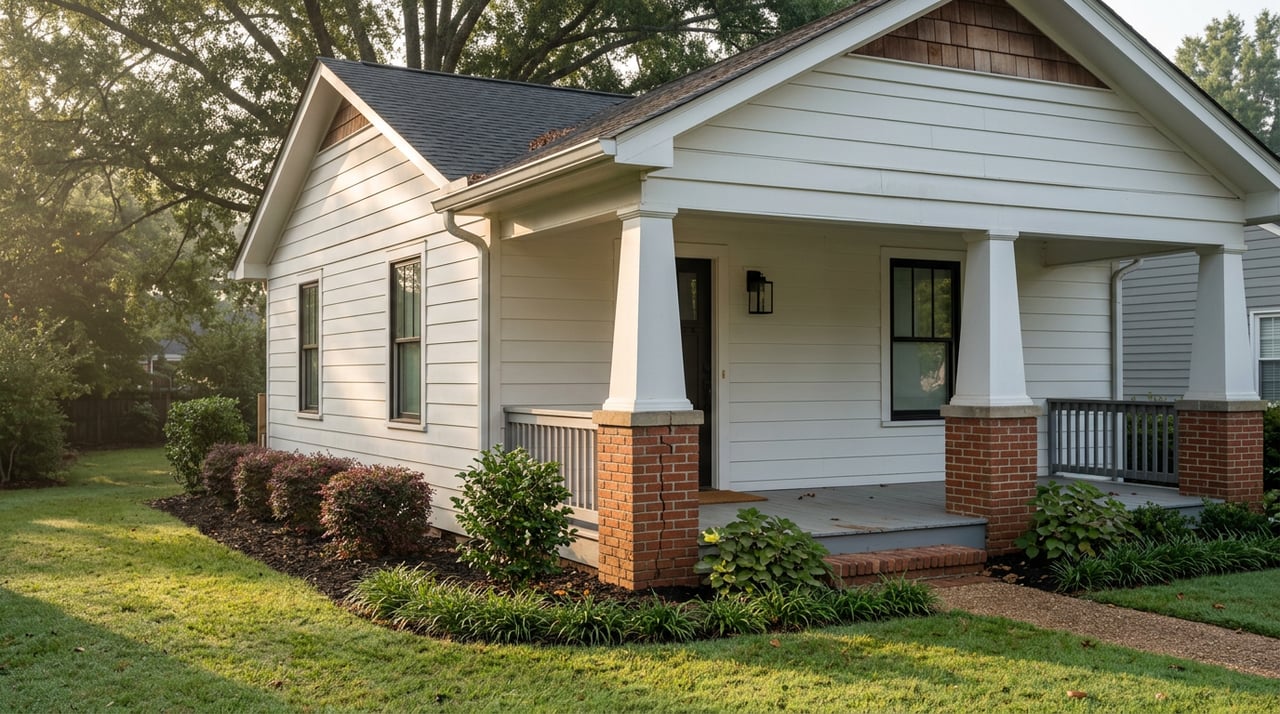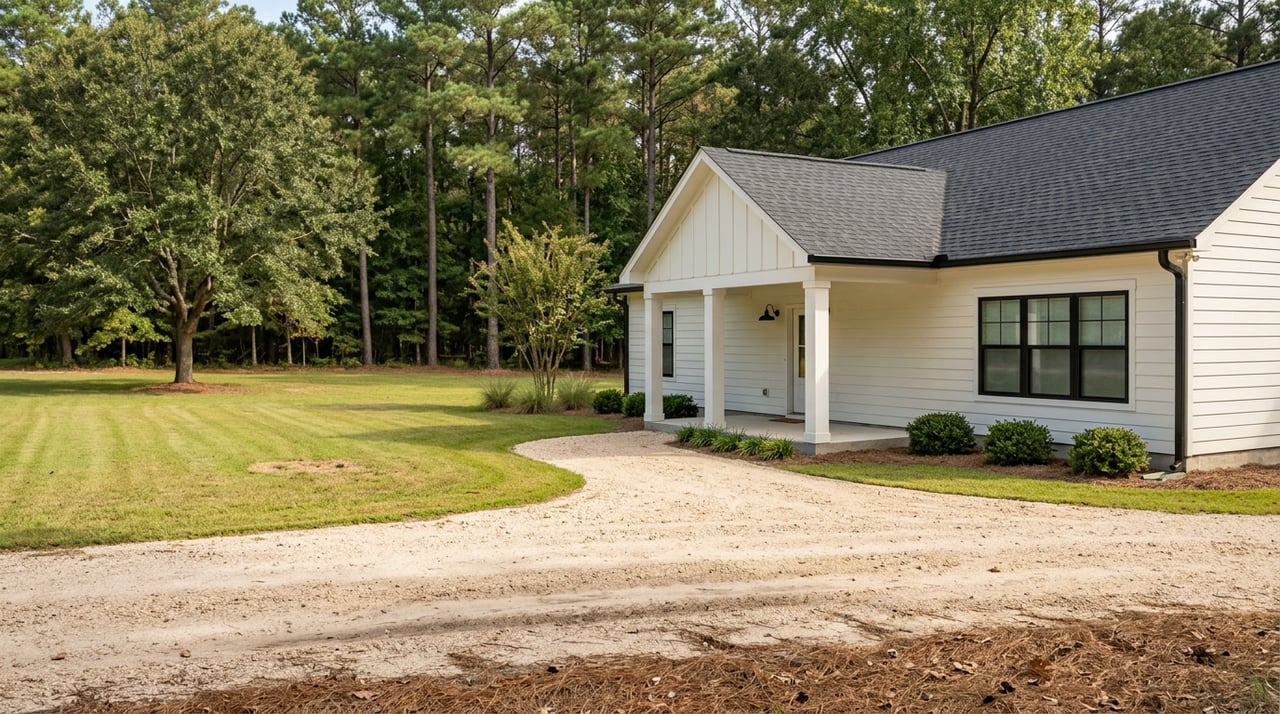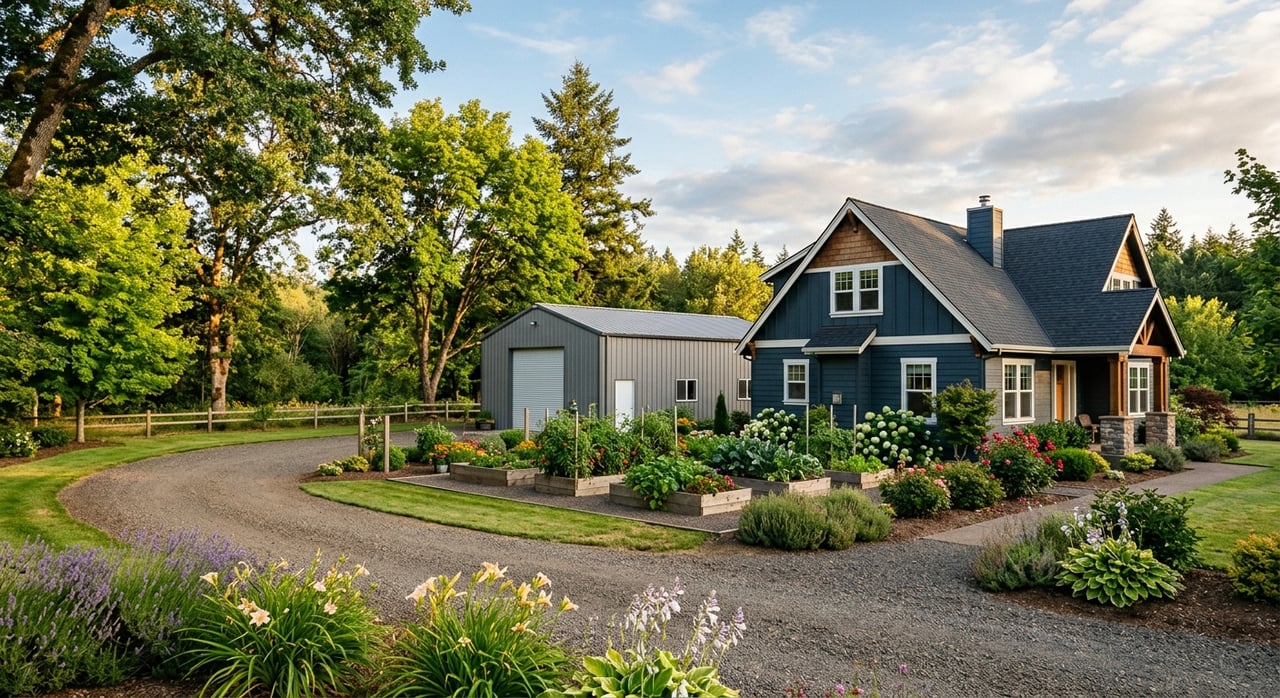
Are you dreaming about a few acres, a garden, maybe a pond, and room to spread out near Wrightsville? You are not alone. For many buyers, small farm and homestead living sounds simple on paper, but the right property depends on much more than acreage alone. This guide will help you understand what small-farm living near Wrightsville can look like, what to check before you buy, and how to approach your search with confidence. Let’s dive in.
Why Wrightsville Fits Homestead Living
Wrightsville and Johnson County have the kind of scale that naturally appeals to land buyers. The City of Wrightsville has 3,449 residents across 3.5 square miles, while Johnson County has 9,189 residents spread across 303.0 square miles. That rural setting is a big reason acreage, privacy, access, and land features matter so much here.
For you as a buyer, that means properties near Wrightsville often come with very different conditions than a typical in-town home. Driveways may be longer, utility access can vary from parcel to parcel, and land use rules may depend on whether the property is inside or outside city limits.
What Small Farm Means Here
A “small farm” near Wrightsville does not have one standard size. Current public listing samples in the area range from about 1.04 acres to 179.32 acres. The active mix includes 10-acre, 22-acre, 51.3-acre, and 136.73-acre properties, along with other sizes like 12.4, 19.95, 36.84, 38.48, and 71.75 acres.
That range matters because your version of homestead living may look very different from someone else’s. You might want a modest homesite with room for a garden, or you may be searching for pasture, timber, ponds, or a larger tract for multiple uses.
Common Acreage Categories
Based on the current listing mix, buyers near Wrightsville often think about land in a few practical groups:
- 1 to 5 acres: often enough room for a home, garden, workshop, or extra outdoor space
- 10 to 25 acres: often suited to hobby-farm goals, pasture, and a few animals depending on the property
- Larger tracts: may include timber, ponds, creek features, hunting land, or broader recreational use
The key is matching the land to your real plan, not just the number of acres in the listing.
Land Features Buyers Often Want
Public listing examples around Wrightsville show the variety buyers can find in this market. Some properties include fenced pasture and ponds. Others are wooded and marketed for recreation or hunting. There are also larger farm-style tracts with timber and water features, and one listing example describes a 65-acre pecan orchard within a larger farm property.
If you are comparing options, think about how each feature affects your day-to-day use of the land. A pond may add enjoyment and utility. Wooded acreage may offer privacy and flexibility. Open pasture may save time if your goal is to keep animals or start using the land sooner.
Check City Limits First
One of the most important early questions is whether a parcel sits inside Wrightsville city limits or outside them. According to the Georgia Department of Community Affairs, Johnson County has relatively limited land-use regulation, and only Wrightsville has zoning and building code enforcement.
That creates a meaningful difference for buyers. A parcel inside the city may be subject to Wrightsville’s zoning and other local rules, while a parcel outside the city may fall under the county’s lighter framework instead.
Why That Matters
Wrightsville’s municipal code includes zoning, subdivision regulations, utilities, roads and bridges, and animal-related chapters. In plain terms, land inside the city can be regulated differently than rural land outside city limits.
Before you fall in love with a property, make sure you know which local rules apply. That first step can save time and help you focus on land that fits your goals.
Utilities Are Never One-Size-Fits-All
Utilities are one of the biggest reality checks for homestead buyers. Near Wrightsville, you should not assume every parcel has the same access to water, sewer, or broadband.
Wrightsville’s 2023 work program notes that water and sewer extension to the industrial park is underway. It also states that broadband was available at the industrial park as of 2021, water lines were completed in 2023, sewer is targeted for 2028, and wastewater treatment expansion is in progress. That is helpful context, but it does not mean every acreage property has public utility service.
What To Confirm
For any parcel you are considering, verify:
- Whether public water is available
- Whether public sewer is available
- Whether the property will need a private well or septic system
- Whether power is already at the site or nearby
- Whether internet service options meet your needs
Even current listings can show utilities as “Other,” which is a good reminder to check every property individually.
Electric Service May Be Easier To Confirm
Electric availability can be more straightforward than water or sewer, but it still needs to be verified. Washington EMC provides electricity in Johnson County and maintains a Wrightsville office.
That local presence is useful for rural buyers, especially when you are trying to understand whether service is nearby. Still, it is smart to confirm availability by address or parcel before making big plans for a build or farm setup.
Septic Can Make Or Break A Property
If a parcel is not connected to public sewer, septic becomes a major part of your due diligence. Georgia Department of Public Health rules cover septic tanks and onsite sewage management, and the Johnson County Health Department in Wrightsville provides Environmental Health services.
For many rural buyers, this should be one of the first calls made during the research stage. Septic feasibility affects whether and where you can build, which directly affects how usable the property is for your plans.
A Smart Septic Checklist
If you are evaluating land without public sewer, ask:
- Has the parcel already been reviewed for septic use?
- Which local office handles Environmental Health questions for this property?
- Are there known site limitations that could affect placement?
- How might the land layout affect build location and system placement?
These questions help you move from dream stage to decision stage.
Easements Can Limit Usable Land
Easements are another issue you should never overlook on rural property. The Georgia Department of Human Services defines an easement as one party’s right to use another party’s land for a special purpose. Georgia Power also notes that many transmission corridors are held as easements that must remain clear for access and maintenance.
For you, the takeaway is simple: not every part of a parcel may be fully usable in the way you expect. A driveway easement, utility corridor, drainage area, or access road can affect where you build, fence, plant, or improve the property.
Questions To Ask About Easements
Before buying, ask whether the property has:
- Access easements
- Utility easements
- Transmission or right-of-way areas
- Shared driveway arrangements
- Drainage or road-related restrictions
A beautiful tract can still be a strong fit, but you want a clear picture of what land you can actually use.
Think Beyond Acreage Size
It is easy to focus on the total number of acres, but that only tells part of the story. Two 10-acre properties near Wrightsville can offer very different experiences depending on access, terrain, utilities, and usable land.
A practical way to evaluate a homestead property is to look at four core factors together:
- Location relative to city limits
- Utility availability
- Septic feasibility
- Easements or access issues
When you compare land through that lens, you can make a much more informed decision.
Rural Living Often Means More Hands-On Upkeep
Homestead living near Wrightsville can be rewarding, but it usually comes with more self-managed upkeep than suburban living. Given the county’s rural scale, the acreage-heavy inventory mix, and the parcel-by-parcel differences in utilities and septic, buyers should expect to think more about mowing, fencing, pond care, access roads, and general land maintenance.
That does not mean the lifestyle is harder than it is worth. It simply means the best property for you is one that fits both your vision and your comfort level with ongoing care.
Tax Questions Worth Exploring
If you plan to keep land in agriculture or timber, Georgia’s conservation use assessment may be worth discussing early. The Georgia Department of Revenue says qualifying agricultural and or timber land can be assessed at 40% of current use value, with the application filed through the county board of tax assessors by the county deadline.
For long-term buyers, that can be an important part of the ownership picture. It is another reason to think carefully about how you plan to use the land before you buy.
If you are exploring small farm and homestead living near Wrightsville, the right guidance can make the process far less overwhelming. From city-limit questions to acreage fit, utility research, and land-use details, having a local, hands-on real estate partner matters. When you are ready to start your search, connect with Grand Real Estate for personalized help finding land that fits your goals.
FAQs
What does small farm living near Wrightsville GA usually look like?
- Small farm living near Wrightsville can range from a 1- to 5-acre homesite with garden space to 10- to 25-acre hobby-farm acreage, while larger tracts may include timber, ponds, pasture, or recreational use.
Why do city limits matter for land near Wrightsville GA?
- Land inside Wrightsville may be subject to city zoning and building code enforcement, while property outside the city is generally under Johnson County’s lighter land-use framework.
What utilities should you check on rural land near Wrightsville GA?
- You should confirm public water, sewer, electric service, and internet availability for each parcel, since utility access can vary widely from one property to another.
Who should you contact about septic questions in Johnson County GA?
- For land that is not on public sewer, the Johnson County Health Department’s Environmental Health services are the right local starting point for septic-related questions.
What is an easement on homestead land near Wrightsville GA?
- An easement is a legal right for another party to use part of the land for a specific purpose, which can affect access, utility placement, and how much of the parcel is fully usable.
Could conservation use affect land ownership costs in Johnson County GA?
- Yes, qualifying agricultural or timber land may be eligible for Georgia’s conservation use assessment, which the Department of Revenue says can assess land at 40% of current use value if the owner applies through the county board of tax assessors by the deadline.